What Makes a Fish Change Color?
The underwater world is full of vibrant surprises but few are as mesmerizing as a fish that changes color before your eyes. From camouflage to communication, the ability to shift hues is a powerful adaptation shaped by nature.
Chromatophores: Nature’s Color Shifting Cells
Color change in fish starts at the microscopic level. Specialized cells known as chromatophores are responsible for producing and manipulating color across a fish’s skin. Each chromatophore contains pigments that can expand or contract to reveal different shades.
There are multiple types of chromatophores, each contributing a different color:
Melanophores black and brown pigments
Xanthophores yellow pigments
Erythrophores red pigments
Iridophores and Leucophores reflect light to produce iridescent or white effects
The strategic placement and control of these cells allow fish to display rich, dynamic patterns in real time.
Environmental Triggers: Light, Mood, and Purpose
Color change isn’t just for show it serves multiple purposes depending on the environment and the needs of the fish.
Key triggers include:
Light exposure Many fish shift color based on ambient light conditions or time of day.
Mood and hormones Excitement, stress, aggression, or mating readiness can result in sudden color changes.
Camouflage Blending in with sand, coral, or plants helps avoid predators or sneak up on prey.
Communication Flashy displays can signal warnings, attraction, or territory claims to other fish.
These changes aren’t random they’re functional, often turning the fish’s body into a living language of light and hue.
Speed of Transformation
How fast can a fish change color? It depends on the species:
Instant reactives like cuttlefish and squid can shift appearances in milliseconds.
Other species, such as wrasses or parrotfish, may take minutes or even longer to undergo more subtle or long term changes tied to age or gender shifts.
The ability and speed of transformation add another layer of fascination and sometimes confusion for divers and biologists watching these optical artists in action.
Standout Species That Steal the Show
Some fish play by the rules. These don’t.
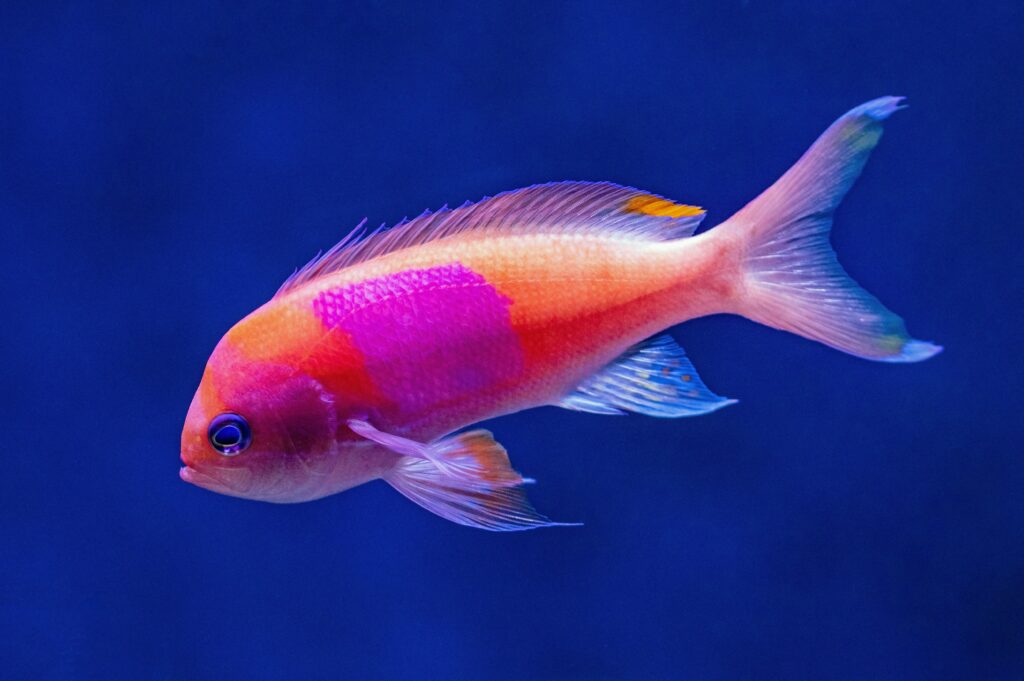
The mandarinfish is a walking contradiction except it swims. Neon blue and orange skin, outlined like stained glass, all without a drop of reflective pigment. What you’re seeing is pure structural color, light refracted at just the right angles. Their patterns don’t change much, but when it comes to chromatic drama, they’re still the poster child for natural psychedelia.
Cuttlefish, along with their squid and octopus relatives, don’t just change color they rewrite their entire look in real time. Smooth one second, textured the next. Flashing black and white ripples or full camouflage in the span of a breath. Their secret: skin packed with chromatophores, controlled by a nervous system that’s crazy fast and smarter than you might expect from something without bones.
Then there’s the parrotfish, which doesn’t just change outfits it changes identities. As they age, colors shift from dull to shockingly bright, with patterns that morph across multiple life stages. Some even sleep in mucus bubbles at night, another level of weird that arguably earns them a spot on this list just by default.
Wrasse species round out the crew with a different flex: gender switching and color shifting that go hand in hand. Many start life as females and turn male, swapping both sex and shade as social hierarchies or mating opportunities shift. Not a casual transformation and not something you’ll forget if you spot one mid change.
These aren’t just fish. They’re masters of optical illusion, shape, and survival. Watch long enough and they’ll make you question what ‘normal’ even means underwater.
The Science Behind the Spectacle
First, some basics: when we see a brilliantly colored fish cruising through reef currents, what we’re seeing is either pigment based color or structural color or both. Pigments are chemical compounds that absorb some wavelengths of light and reflect others. Think of them as tiny bits of natural paint embedded in a fish’s skin. Structural color, on the other hand, has nothing to do with dyes. It’s about microscopic structures that bend and scatter light like a prism. That’s why some species shimmer or glow with iridescence. You’re not seeing color, you’re seeing manipulated light.
Now add a twist: many color changing fish use chromatophores tiny cells that expand or contract to show or hide pigment. Some species even layer chromatophores with reflective cells called iridophores to create more complex visual shifts. The result? A fish that can go from drab to dazzling in seconds.
Evolution didn’t make these changes for our entertainment. Color shifts help fish blend into coral or sand when predators are near. They signal aggression, readiness to mate, or simply a change in light conditions. In species like the wrasse or parrotfish, color also marks age, sex, or social status. It’s camouflage. It’s communication. It’s survival.
And we’re still scratching the surface. Researchers studying fish like the mimic octopus or flashing neon species at extreme depths are finding new types of chromatophores and unique ways fish control color at a neural level. There’s even interest in biomimicry using fish skin structures to inspire new tech in materials and design.
The deeper we look, the more complex the story becomes. Color down here isn’t decoration it’s a language we’re just starting to understand.
Where to Spot Them in Action
If you’re looking for living color in motion, start with the coral reefs of the Indo Pacific. These waters don’t just host fish they stage a light show. From the Maldives to Papua New Guinea, shallow reefs here burst with movement and shifting pigment. It’s where electric blues, searing oranges, and iridescent greens flash through coral like dancers between spotlights.
Some species hang near the reef crests, catching sun at low tide. Others drift deeper along drop offs where light and shadow prompt even more dramatic displays. Either way, it’s peak color behavior.
For divers, sites like Indonesia’s Raja Ampat or Fiji’s Rainbow Reef are bucket list level. You’ll spot mandarin fish during dusk courtship dances and cuttlefish twisting their skin into patterns that defy logic. Not a diver? Shallow snorkel zones in the Philippines or Great Barrier Reef give you front row access, no tank needed.
Plan your outing around high visibility conditions ideally late morning with minimal swell and bring a decent mask and a patient eye. The real magic isn’t just in the species, but in how fast and often they change.
Learn more about vibrant ocean fish
Rare Catches and Unusual Sightings
Out on the water, no two days are the same. Divers and anglers alike have brought back stories of fish that shimmered one moment, then shifted shade or even vanished against the reef the next. Some of the most jaw dropping footage doesn’t come from documentaries it comes from a GoPro strapped to a spearfisher in Fiji or a charter captain off Palau. These aren’t staged scenes; they’re the real deal.
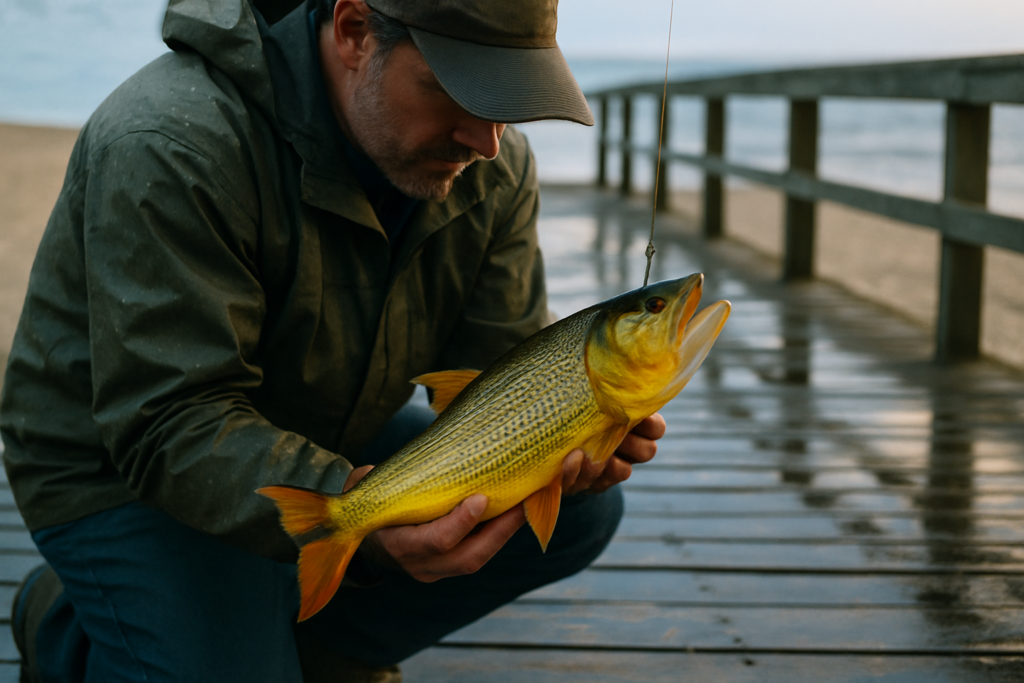
But here’s the catch: not every flash of neon or burst of blue is what it seems. Lighting plays tricks. Stress like getting pulled from deep water can push a fish’s chromatophores into overdrive, triggering color changes that don’t last. That’s why conservation minded anglers are revisiting how they capture, handle, and share encounters with species like the wrasse or parrotfish.
Ethical fishing isn’t just about the size of the haul anymore. It’s about minimizing stress, avoiding nesting zones, and never removing fish from water unnecessarily. The goal isn’t just a good photo it’s a living reef tomorrow.
More incredible vibrant ocean fish and their stories
Why This Matters Below the Surface
Vibrant, color changing fish aren’t just eye candy for divers and marine photographers they’re indicators of what’s going right, or very wrong, in a reef system. When reefs are thriving, you’ll see an explosion of color and behavior. Active pigment shifts, courtship displays, camouflage tactics all are signs that the food web is intact and the neighborhood is healthy.
But as oceans warm, the balance starts to tip. Some species dull out to conserve energy under environmental stress. Others shift their behavior, going silent or abandoning old mating rituals. Subtle color changes or even the absence of them can hint at rising temperatures, shifting currents, or chemical disruptions like acidification. Reef fish, in this way, are like biological sensors in real time.
That’s where citizen scientists come in. Divers, snorkelers, and even anglers uploading photos and observations are painting a broader picture of underwater change. Apps and platforms now let regular people feed that data into marine biology models, helping researchers track species movement, behavior disruptions, and reef conditions at a scale that was once unthinkable.
So yes, those flashes of electric blue and pulsing neons are beautiful but they’re also telling a story. One we’d be smart to listen to.