What Ghost Nets Are and Why They Matter
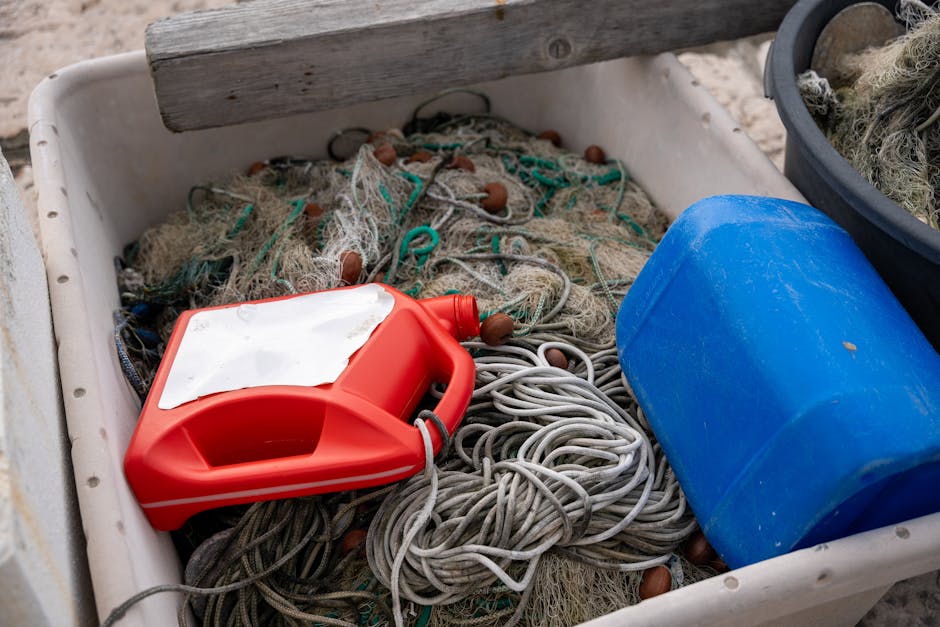
Ghost nets are fishing gear that’s been abandoned, lost, or deliberately dumped into the ocean. Nets, traps, lines once they’re no longer in use, they don’t just disappear. They drift. They sink. They tangle in reefs, wrap around wrecks, or float just beneath the surface hard to spot by eye, but dangerous all the same.
The damage isn’t quick, and that’s part of the problem. These nets can linger for decades. Nylon and synthetic materials don’t break down easily underwater. Instead, they keep doing what they were designed to do: catch. Fish, turtles, dolphins, even whales anything that brushes against them can get caught and die slowly. And when that happens, more animals come to feed. The cycle continues.
Ghost nets don’t just kill. They steal from ecosystems. They disrupt breeding grounds, destroy habitats, and degrade into microplastics over time. They’re silent, scattered, and largely ignored but the toll is heavy, and growing.
The Scale of the Problem
Ghost nets are not just an eyesore they’re an industrial grade threat. Each year, an estimated 640,000 tons of this gear are dumped or lost in oceans worldwide. That’s nearly a cargo ship’s worth of synthetic waste, every single day, silently drifting beneath the surface.
This gear makes up a huge portion of marine litter, and the damage scales fast. These nets don’t pick favorites everything from plankton to apex predators is fair game. Tiny species get tangled, larger animals like sharks or sea turtles get ensnared. Coral reefs get scraped raw. All of it happens quietly, far from the headlines, but the fallout hits the entire food web.
The deeper you go from the shallow reefs to the abyssal plains the more ghost gear you’ll find. It lingers, traps, suffocates, and sets off chain reactions we’re only beginning to track. A kill switch left on, floating freely.
How Marine Life Gets Trapped
Ghost nets don’t care what they catch. Once abandoned, they drift silently and trap anything in their path. Seals, turtles, dolphins it’s all the same to a tangle of nylon threads designed not to break. Animals get snared and can’t escape. They drown slowly or starve. Some are trapped for days before they die. Few are ever rescued.
Then there’s ingestion. Over time, these synthetic nets degrade into smaller fragments. Microplastics float into the water column, where they’re mistaken for food. Fish eat them. So do seabirds. So do we, eventually. What begins as a lost net ends up in the bloodstream of ecosystems and sometimes, humans.
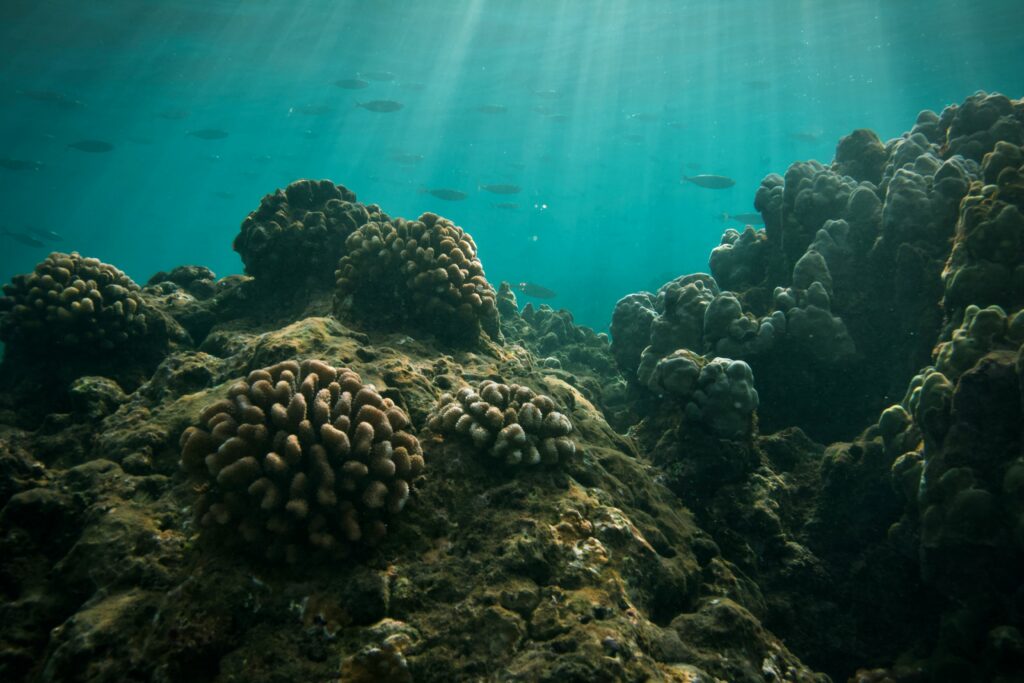
As for habitat, the damage runs deep. Nets drag over coral reefs, slicing through fragile structures built over centuries. Deep sea ecosystems already slow to recover get stripped bare. A single net can erase lifespans of ocean growth in hours.
Ghost nets don’t just kill. They keep killing.
Learn more: ocean ghost nets
Ghost Nets and the Bigger Picture
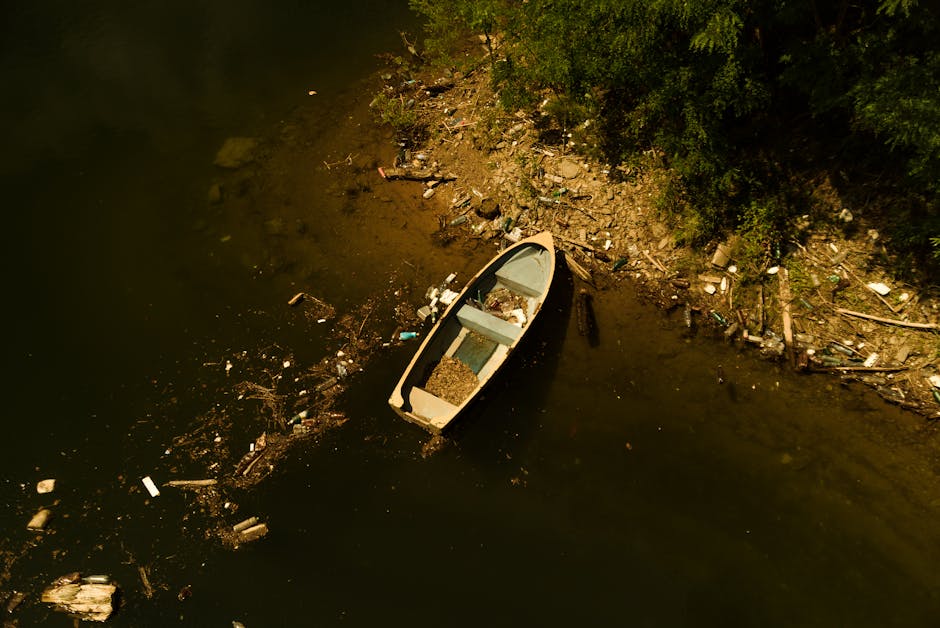
Ghost gear isn’t just a hazard to individual fish or the occasional sea turtle it’s a major fuel source for plastic pollution. Made from synthetic materials like nylon and polypropylene, ghost nets break down slowly, shedding microplastics that drift across ecosystems. These fragments end up in the guts of marine life and, eventually, on our plates.
But the damage isn’t just microscopic. As nets drift through the ocean untethered, they trap everything in their path. Fish don’t know the difference between active gear and an abandoned snare. Over time, this indiscriminate killing chips away at fish stocks, including species already under pressure from overfishing and habitat loss.
The cycle makes itself worse. Ghost nets filled with dead or dying marine life attract predators hoping for an easy meal. These newcomers get trapped too, adding more bodies and drawing more life. It’s a grim loop: the trap keeps baiting itself. And as long as these nets stay in the water, the killing doesn’t stop.
What’s Being Done and What’s Not Enough
Efforts to tackle ghost nets are happening but the scope is still small compared to the scale of the problem. Ocean cleanup projects like The Ocean Cleanup and Ghost Gear Initiative have pulled tons of abandoned nets from key hotspots. These efforts mark progress, but they’re limited by funding, reach, and sometimes weather. Most of the ocean is still untouched.
Meanwhile, parts of the fishing industry are starting to take more responsibility. Programs that track gear are rolling out, aiming to make nets traceable and harder to lose. Some governments and NGOs are offering incentives for retrieving lost gear. It helps, but relies on widespread participation and right now, that’s inconsistent.
The biggest hurdle? A lack of unified global policy. No single standard exists for how ghost gear should be dealt with across nations and fleets. Enforcement is patchy. Coordination is minimal. Until these gaps close, even the best efforts will feel like plugging a hole in the hull with duct tape.
Explore more on ocean ghost nets
How You Can Help
While the problem of ghost nets may seem vast and distant, individual actions still carry real weight. Everyday choices from consumers and advocates can ripple outward to support change on a global scale.
Choose Certified Sustainable Seafood
One of the most direct actions you can take is to support responsible fishing practices:
Look for certifications like MSC (Marine Stewardship Council) when buying seafood
Use apps and guides that highlight sustainable seafood options
Avoid purchasing products from companies with poor ocean stewardship records
Choosing sustainable options encourages better fishing practices and discourages gear abandonment.
Support Ocean Cleanup Initiatives
Many organizations are actively working to recover ghost nets and reduce future loss:
Donate to or volunteer with groups focused on marine conservation
Share and promote clean up campaigns and citizen science projects
Stay informed on how technology is being used to track and collect ghost gear
Backing these efforts ensures they have the resources and visibility to scale their impact.
Raise Awareness in Your Circle
Education and awareness are powerful catalysts for change:
Talk about ghost nets in your community, school, or workplace
Share credible articles, documentaries, and data on social media
Advocate for better ocean policy and industry accountability in your region
Even small conversations can inspire larger movements when they reach the right ears.
Raising your voice, choosing responsibly, and backing those on the front lines can collectively turn the tide against ghost net pollution.
No Time to Wait
Ghost nets don’t make headlines, but they don’t stop killing either. Year after year, they drift silently through the oceans, snaring life that never sees them coming. From commercial fishing zones to remote reefs, these abandoned traps are everywhere and the damage climbs steadily.
This isn’t a mystery anymore. We know what ghost nets are. We know where many of them end up. And we know how to start fixing it. Solutions exist: gear retrieval programs, better tracing tech, tougher international agreements. But none of them work without urgency. None of them scale without cooperation between countries, industries, and coastal communities.
Progress won’t come from one actor. It’ll come from shared action and soon. Because marine life doesn’t have time to wait. Neither does the ocean.