Why 2026 Is a Turning Point for Anglers
Sustainable fishing is no longer optional it’s the baseline. Heading into 2026, the industry and lawmakers have tightened their grip. Enforcement agencies have new tools and funding, and they’re using them. No more gray areas. Recreational anglers are now squarely in the spotlight, with rules that once applied mainly to commercial vessels being adapted for weekend fishers and charter trips.
Since 2025, the shift has been clear: smaller quotas, stricter boundaries, and faster penalties. Some coastal areas now operate under near immediate enforcement, with spot checks, digital reporting, and increased ranger presence. Anglers used to open zones are running into real time closure alerts. That last minute run to a murky reef? Might not fly anymore.
For the everyday angler, this means adapting fast. Knowing when, where, and what you can catch isn’t just good practice it’s critical. Licenses have strings now, and ignorance won’t cut it as an excuse. It’s a tougher game, but one aimed at making sure there’s a future to fish in.
New Catch Limits and Species Protections
The rules around what you can catch and when just got tighter. As of 2026, federal agencies have rolled out revised quotas on species considered high risk, like bluefin tuna and Atlantic cod. These aren’t suggestions. They’re hard limits etched into law, prompted by years of data showing rapid population decline in key fishing zones.
Seasonal closures are also stepping up across the board. Migration tracking is sharper now, which means if a species is in spawning mode, your favorite spot may be temporarily off limits even in peak season. Expect more areas to enforce these close outs in real time, especially near known breeding grounds.
Ignore the limits, and you’re looking at serious fines. Exceeding catch thresholds comes with tiered penalties, including license suspension in some states. The message is clear: if you’re out on the water, you’re expected to know and respect the new boundaries.
The bottom line? These measures aim to undo decades of overfishing damage. Cutting quotas and adding seasonal restrictions might feel like a hit now, but the long game is about rebuilding ecosystems and ensuring there’s still something left to catch in ten years. For a detailed look at the numbers behind the policy, check out this deep dive: Overfishing Crisis Explained.
Gear and Technique Restrictions
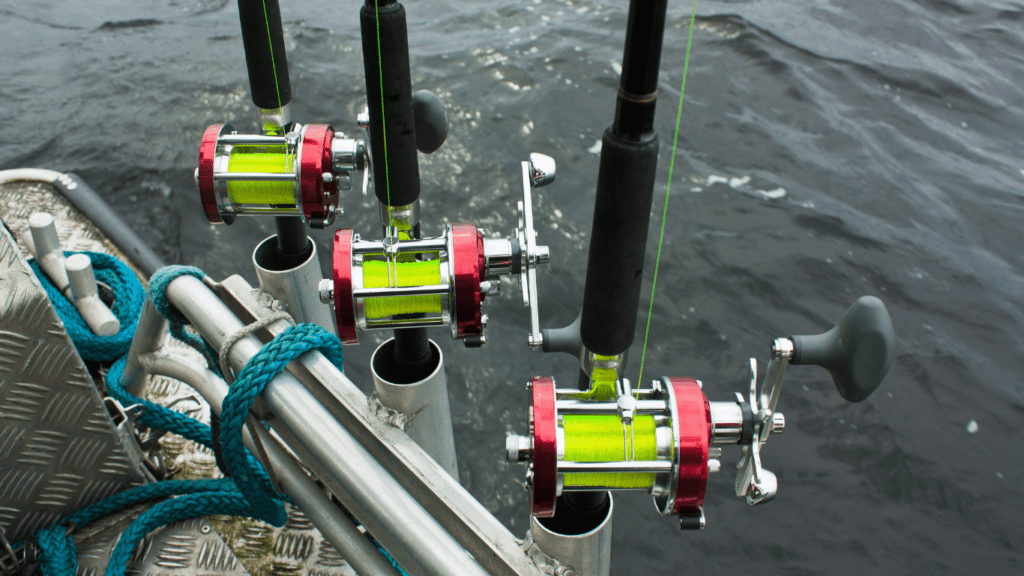
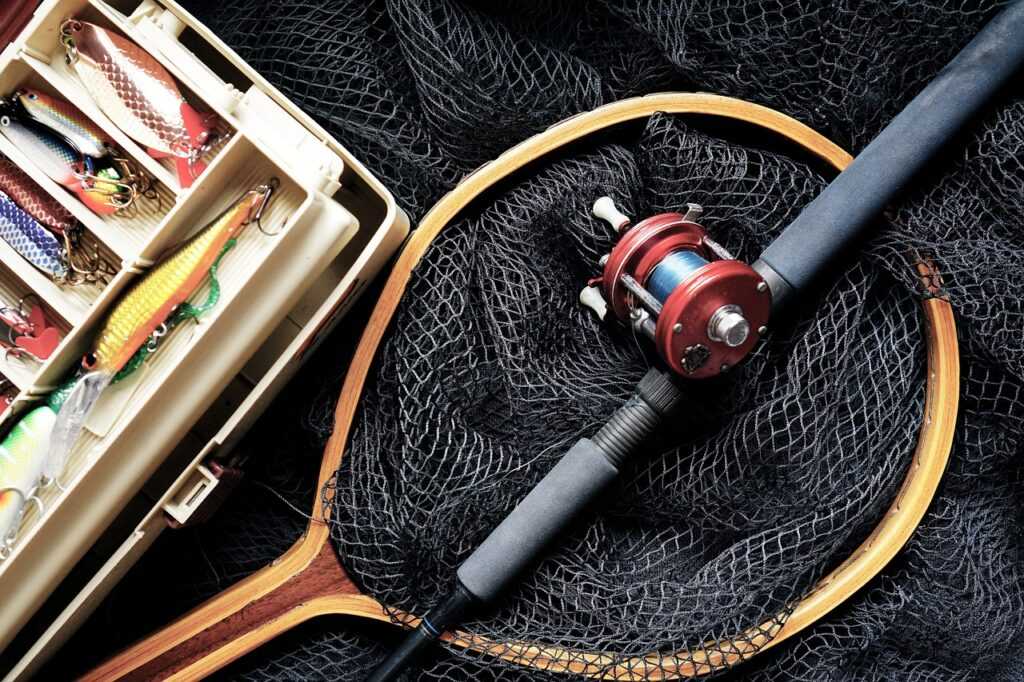
The old tackle box isn’t going to cut it in 2026. With federal and state agencies doubling down on eco protection, anglers now face strict bans on certain lures and nets, especially in eco sensitive habitats. Artificial baits that mimic endangered prey fish? Off the list. Weighted nets with small mesh that increase bycatch? Also out at least in regulated zones.
The crackdown goes deeper. Real time bycatch data has moved from a pilot idea to a hard rule. Anglers especially those on charter boats or fishing commercially are now expected to log bycatch instantly with digital tools. There’s no grace period: if it’s caught and it’s not allowed, it needs to be reported. Period.
Tech limits are changing too. Some sonar gear is being restricted due to how it interferes with marine mammal activity, and GPS trackers with auto routing to sensitive areas are now geofenced. High end tech is still allowed but only if it’s ethical and compliant.
So what’s in and what’s out? Expect to phase out deep scanning sonar models, outdated bottom trawl setups, and old nets that don’t meet mesh standards. Upgrade to compliant digital logbooks, sonar with eco modulation settings, and lightweight gear that minimizes drag. The message is clear: fish smarter, not harder.
Updated Licensing Rules
Fishing licenses in 2026 aren’t what they were a year ago. State agencies have upped their game with adjusted pricing and streamlined processes, but it’s not uniform. In Florida, for example, annual resident licenses rose by $5, while Maine cut renewal fees for seniors and military veterans. California now bundles coastal preservation fees into standard licenses. These changes reflect a growing drive to fund conservation without gutting access.
Crossing state or national borders with rod in hand? The federal government now requires a cross jurisdictional license for anglers fishing across state lines or into shared waters like the Great Lakes. It’s bundled into some state renewals but not all. Pros rely on federal platforms like the National Angler Registry to stay legal and synced across territories.
Digital tracking is also tightening. More states are adopting mobile license apps that use geo tags and create automated activity logs. The pitch is transparency and better catch data. For anglers, it’s a mixed bag: less paperwork, but more surveillance.
Lastly, don’t expect to renew without a quick crash course. Several states, including Oregon and New Jersey, now tie license renewal to short, interactive education modules. Topics range from species identification to ethical release practices. It’s designed to make better anglers not trip anyone up but it’s a sign of the times: tapping a button and hitting the water isn’t always enough anymore.
Conservation Areas and No Take Zones Expanding
Finding your go to fishing spot isn’t as simple as it used to be. In 2026, national and regional agencies have rolled out interactive maps that show real time updates on newly designated conservation areas and no take zones. These tools are essential now because crossing an invisible line can mean a hefty fine, and ignorance won’t get you off the hook.
Some iconic fishing spots have moved into restricted territory. The reason? Those areas are critical breeding or migration corridors for vulnerable species. Decades of overfishing, pollution, and warming waters have made some ecosystems fragile to the point of collapse.
The legal side is serious. Protected zones are being enforced with drones, satellite tracking, and digital check ins. Fish in the wrong place, even by accident, and you risk steep citations or license suspensions. Regular recreational fishers need to treat these zones with the same caution commercial fleets do.
Still, if the science holds, the payoff could be big. These protected zones aim to rebuild fish populations and restore biodiversity. Healthier stocks mean more stable fishing and potentially bigger catches outside restricted waters. It’s a trade off: fewer options today for a better, more reliable future.
Smart anglers will study the maps, know the boundaries, and plan accordingly. Staying informed isn’t optional anymore. It’s part of being a responsible part of this changing ecosystem.
How Anglers Can Adapt and Lead
The rules are evolving fast, and staying passive won’t cut it anymore. If you’re serious about fishing in 2026, start by keeping tabs on real time marine policy updates. There are some solid apps out now that track regulation changes by region think push notifications when a new quota hits or a no take zone expands.
Beyond digital tools, consider joining conservation groups. These aren’t just feel good badges they’re platforms for influence. The more voices in public forums and local meetings, the better the outcomes for anglers who care about the long game.
Then there’s the issue of knowing what you’re catching. Brush up on species at risk, not just what’s legal this week. Responsible anglers are shifting toward sustainable practices simpler gear, cleaner bait, more catch and release when appropriate.
It’s not about perfection. It’s about effort, education, and speaking up when it counts. The more informed you are, the more you can do to protect the waters you fish in now and for the next generation.
(For a deeper look into the roots and impact of overfishing, see Overfishing Crisis Explained.)