Smarter Tech on the Water
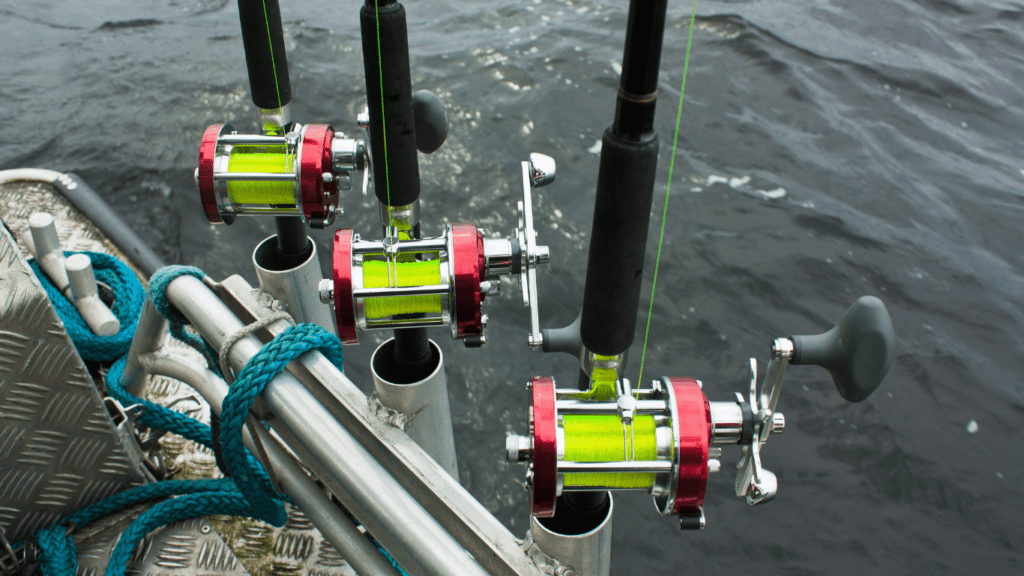
Fishing tech has come a long way from gut instincts and guesswork. Today’s anglers are packing AI powered fishfinders that adjust in real time, scanning for species, depth, and movement faster than a pair of seasoned eyes ever could. Add high res sonar mapping, and you’re not tossing your line and hoping you’re targeting.
Smart rods are now a thing, too. Sensors embedded in the grip give live feedback on tension, depth, and even bite detection. GPS enabled reels track cast distance and help retrace productive routes. For pros and hobbyists alike, it’s less about luck and more about data.
Then there’s the app layer. Real time trackers now drop push alerts for optimal tide windows, incoming storms, and local hot spots. Want to skip the guesswork and fish smarter? Your phone can tell you exactly where the bites are happening.
This isn’t tech for tech’s sake. It’s game changing gear that levels the field whether you’re drifting offshore or catching bass from a dock. For a full list of the latest tools upgrading tackle boxes worldwide, check out the latest fishing gadgets.
Sustainable Catch Practices Gain Traction
Catch and release isn’t just a trend it’s becoming the norm. Around the world, more anglers are choosing to release their catch, especially species under pressure. Governments are backing the movement with tightened regulations, and in many places, catch and keep laws now come with stricter limits or seasonal closures.
Barbless hooks are turning into standard gear, especially in freshwater zones where survival rates post release actually matter. They do less harm, simplify unhooking, and speed up the process good for fish and the person holding the rod. Meanwhile, eco conscious tackle is finally catching on. Recycled materials, lead free weights, and biodegradable baits are no longer niche.
Offshore, the conversation is just as critical. Coastal zones in Southeast Asia, Latin America, and parts of Africa are rolling out new quotas backed by monitoring tech. It’s a response to years of overfishing, and not everyone’s happy but the change is happening. For anglers, knowing where and how you fish isn’t just about ethics anymore it can determine whether you’re even allowed on the water.
Sustainability is no longer optional. Whether you’re casting on a city pier or trolling bluewater, awareness of local regulations and the reasoning behind them is now part of the basic skill set.
Urban and Micro Fishing Get Bigger
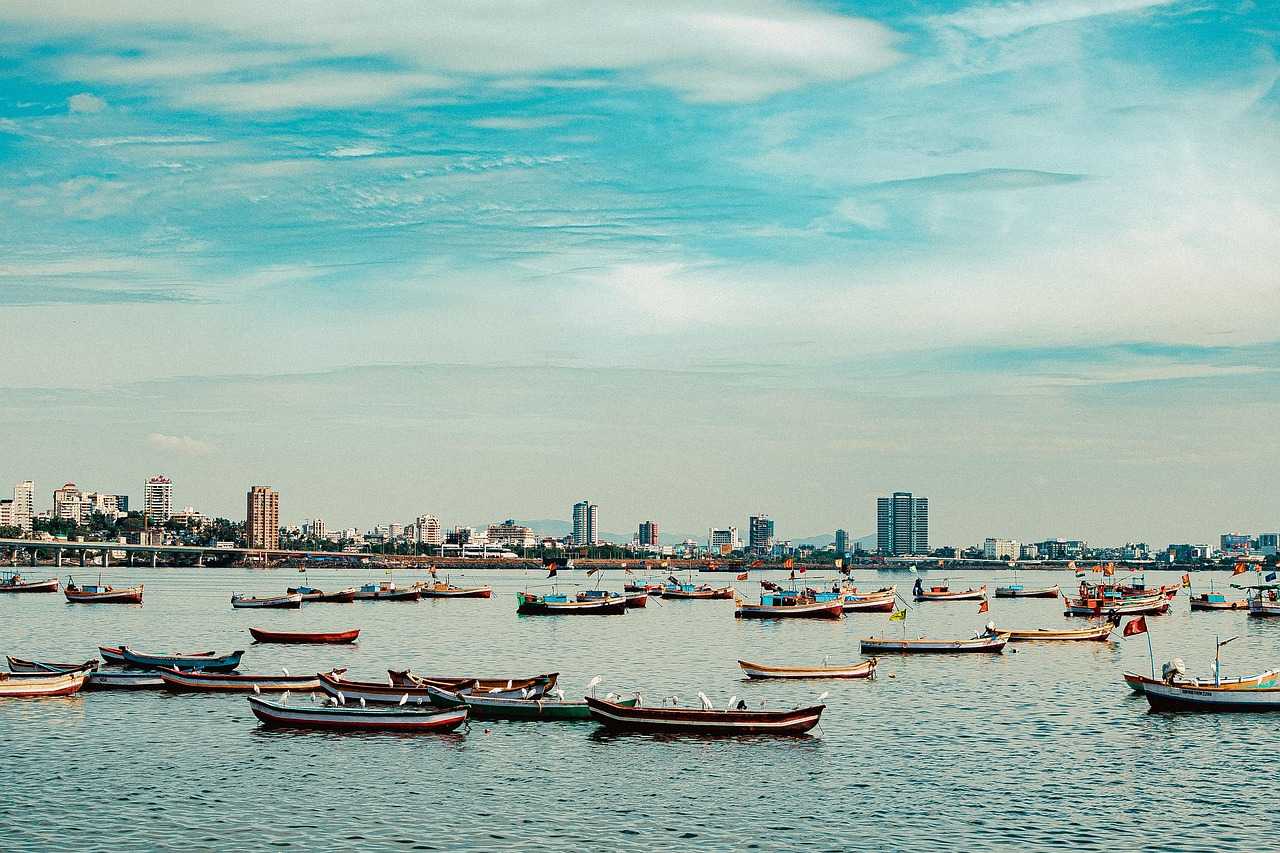
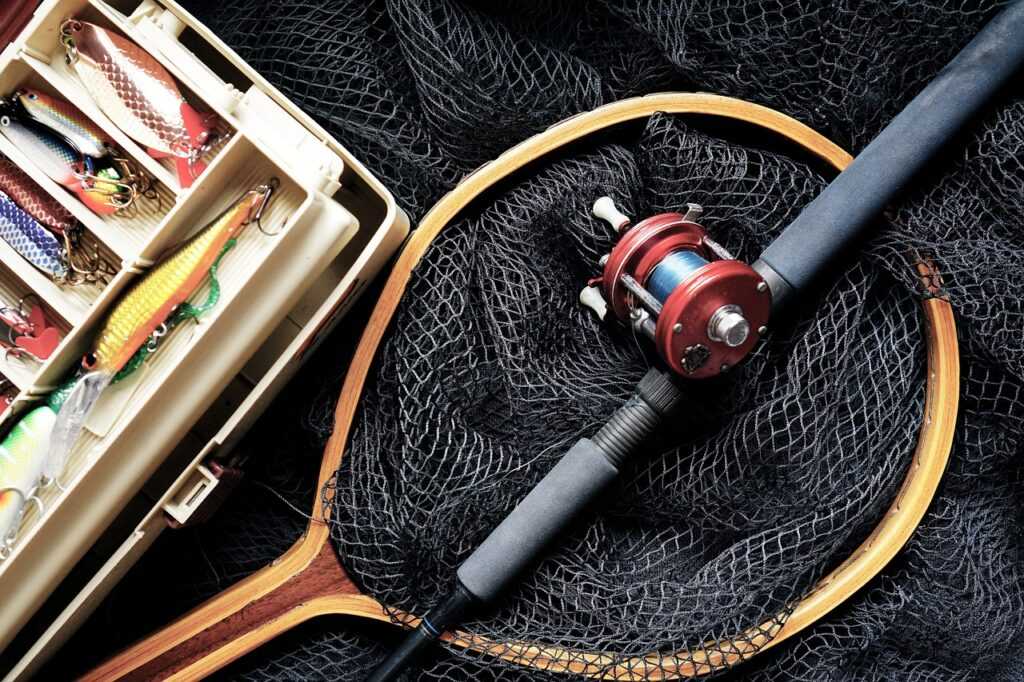
Fishing isn’t just for remote rivers and offshore boats anymore. In 2024, it’s showing up in the middle of cities from canal edges in Amsterdam to underpasses in Chicago. Urban fishing is becoming more accessible thanks to cleaner waterways, city led projects, and communities sharing spots and tips online. You don’t need a truck full of rods and gear, either. Minimalist kits think telescopic rods, pocket tackle boxes, and collapsible nets fit in backpacks, bike bags, or even coat pockets.
Then there’s micro fishing. Targeting palm sized species like darters and minnows, this Japanese born trend has taken off worldwide. It’s partly about the challenge, partly about connection to overlooked ecosystems perfect for city dwellers without access to big water. Vloggers are capturing the charm too, posting clips of sidewalk setups and unlikely catches in park streams and drainage ditches.
This trend’s growth is more than novelty; it represents a shift toward accessible, low impact angling. As cities invest in public green spaces, and more beginners pick up rods out of curiosity not conquest micro and urban fishing are turning into real cultural moments.
Fly Fishing Moves Beyond Tradition
Fly fishing isn’t just about quiet rivers, tweed vests, and dry flies anymore. A younger wave is reshaping the discipline bringing it into city parks, storm drains, and back alleys. These anglers don’t care if you’re casting for pristine trout in the Rockies or chasing carp in the shadow of a subway bridge. For them, it’s about access, creativity, and grit.
Urban fly fishing communities are growing fast, especially across social platforms like Instagram, YouTube, and TikTok. Creators are posting raw, unfiltered footage of their setups, mishaps, and surprise catches in canals, retention ponds, even fountains. They’re showing that technique and presentation matter more than geography. Inspiration comes with cracked concrete and street noise in the background.
This new school of fly fishers is also ditching tradition when it comes to gear. Think beefed up streamer patterns made for bass, panfish, or even small saltwater species. DIY leaders, mixed material flies, and budget setups dominate. The point isn’t purity it’s effectiveness and fun.
The future of fly fishing doesn’t wear waders. It rocks sneakers, a sling pack, and a tripod.
Data Driven Decisions for Anglers
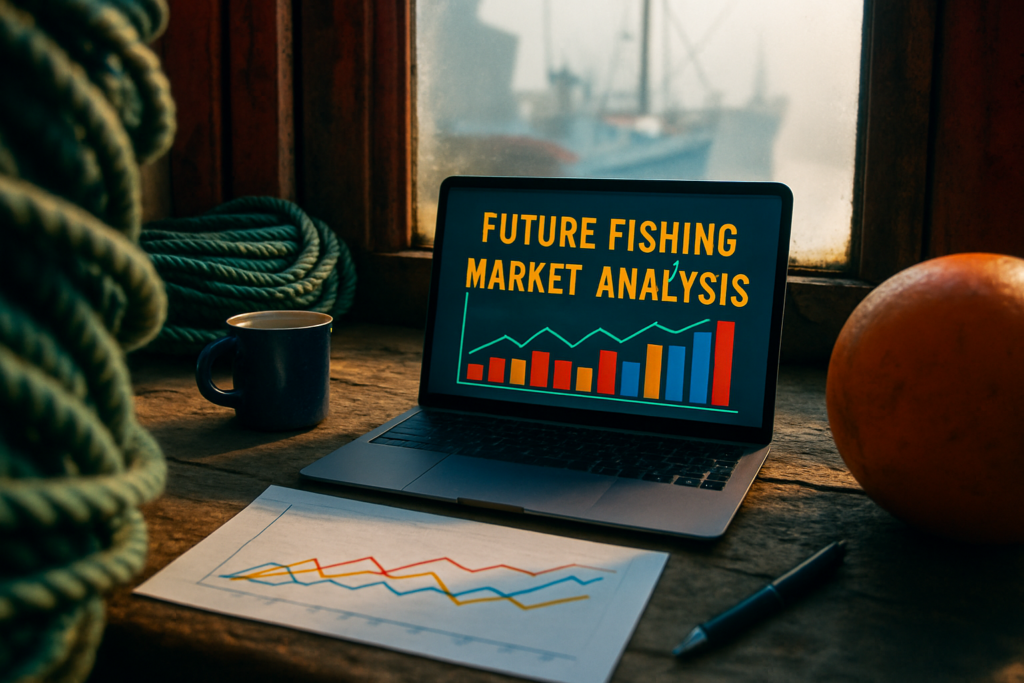
Fishing is leaning into data hard and it’s turning weekend warriors into field analysts. Advanced mapping software now goes well beyond topographical charts. Anglers are tapping into dynamic layers that show real time water temperature, fish migration routes, feeding windows, and historical bite patterns. Combine that with predictive species mapping, and you’ve got a very different kind of tackle box: one where your phone is the most important tool.
Mobile apps are also shifting how and when people fish. Instead of sticking to old habits, anglers are planning trips based on live data: tide shifts, moon phases, weather forecasts, even crowdsourced fish sightings. It’s less guessing, more scoring.
What’s more, many of these tools used to be reserved for pros or commercial operations. Now? A $7 app subscription or an open source dashboard can give you intel once limited to charter captains. The edge doesn’t just belong to the elite anymore. From inland lakes to offshore reefs, data is democratizing the sport and dialing up the results.
Final Take
Fishing is changing fast, but not at the cost of its soul. The rods are smarter, the lures are more sophisticated, and the data backed tools can rival anything from a marine lab. But despite all the tech, the best anglers still know when to wait and when to cast again. Timing, patience, and instinct haven’t gone out of style.
Adaptability matters now more than ever. Whether it’s swapping out an old graphite rod for one with built in sensors or using satellite maps to find the next hotspot before sunrise, those who blend tradition with innovation are the ones landing results. This crossroads of old school skill and new school gear is what defines the modern fishing experience.
Even as the gear gets sharper and the insights get deeper, the heart of fishing remains simple: show up, tune in, and adjust to what the water’s telling you. For a breakdown of the gadgets turning heads this season, check out the latest fishing tech.