
Gear That Makes a Difference
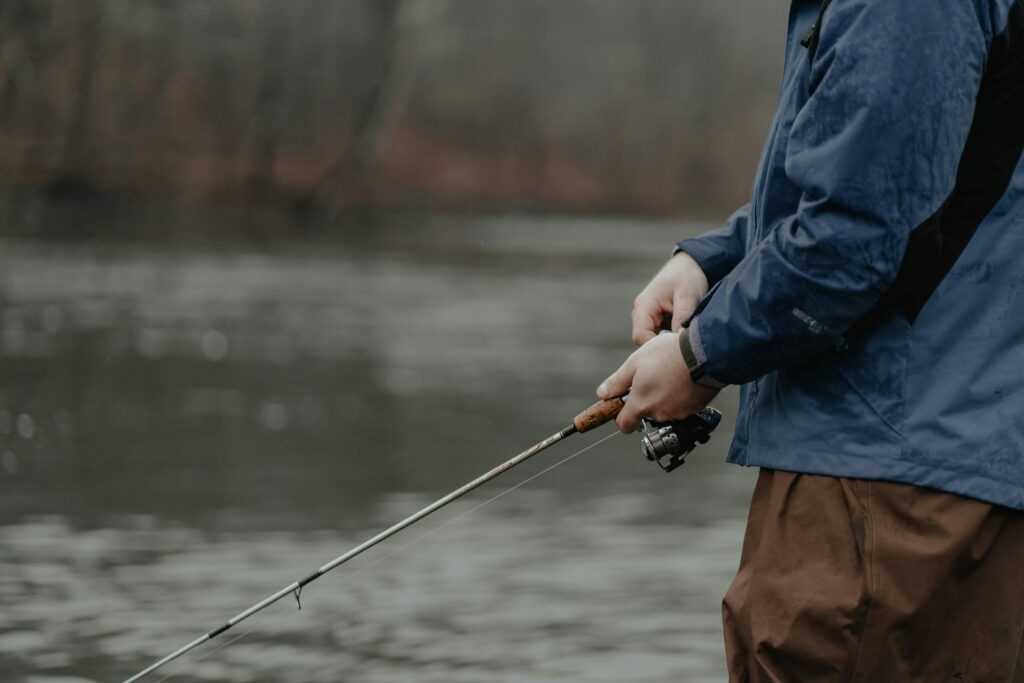
Start with the basics: your rod and reel aren’t just tools they’re variables. If you’re targeting small stream trout, you’re not going in with a surfcasting setup. Match the rod power and action to the species. A medium light spinning rod does great for bass with finesse rigs, while heavier rods are better for big cats or shore bound saltwater setups. Same goes for reels don’t bring a baitcaster to a panfish fight.
Now, line weight. This flies under the radar, but it’s crucial. Lighter line gives you more distance it’s thinner, less air drag. But too light, and you lose control and strength. Heavier line improves control, especially in wind or when casting heavier lures, but cuts back on distance. Smart casters dial this in based on conditions and target.
Last, think about the lure. A chunky weightless plastic versus a slim jighead? Total difference in flight. The lure’s shape and weight affect how smoothly it slices through the air. Wind resistance, momentum, and balance matter. Bigger doesn’t always mean farther it all has to work together: rod, reel, line, lure.
Lock those in, and your cast stops being a guess. It starts being a skill.
Key Mechanics: Form Over Force
Getting more distance and accuracy out of your cast isn’t about throwing harder it starts with how you hold the rod. A proper grip is firm but relaxed. Squeeze too tight and you lose fluid motion. Too loose and you sacrifice control. Keep your wrist loose but supported, and make sure your thumb is guiding the reel, not choking it.
Once your grip is dialed in, shift focus to timing. Most beginners try to muscle their cast, like throwing a fastball. The real secret? Smooth acceleration and release at just the right moment. Feel the rod load, then let the energy do the work. Brute strength without rhythm won’t get you far, and your lure will land like a thud or worse, veer off course.
Body mechanics close the loop. Your lower body provides the base. Rotate with your hips, not just your shoulders. Use a compact, repeatable motion for consistency. Follow through with your rod tip pointed toward your target to carry energy through the cast. Good posture and smart follow through not only boost accuracy but cut down on fatigue, especially after a long day on the water.
Practice Smarter, Not Just More
Raw time on the water doesn’t automatically make your cast better. Precision and distance come from breaking the mechanics down and drilling them all with purpose.
Start with wrist snap drills. Strip everything else back. Use a short rod or even just your hand and a small weight to isolate the motion. Snap fast, stop hard. This is where your speed and tip acceleration happen. Next, focus on arc control. Practice a slow motion cast, watching the rod’s path. Use a mirror or film yourself. Are you dropping the tip too early? Coming over the top too steep? Fix the shape, not the force.
Wind’s not your enemy if you learn to read it. Cast into it to gauge resistance, and with it to feel the lift. Crosswinds? Adjust aim and arc, not strength. Use tall grass or water ripples to detect direction before you throw. Practicing in shifting conditions makes you adaptable when it counts.
Finally, lay down markers or pick natural targets. This is how you build land precision. Use cones, floating objects, or even shadows. Cast five times at one target before switching. Commit to measuring every throw, not just the lucky ones. That’s how accuracy becomes muscle memory.
Fixing Common Mistakes
When your casts keep falling short, it’s usually one of three things: slack in your line, poor timing on the release, or lazy line tension. Too much slack kills momentum before your lure even leaves the rod. Bad timing means you’re letting go too early or too late causing the lure to nose dive or spin out. And weak line tension? That robs your cast of energy transfer. Each of these issues can be fixed, but only if you isolate them one at a time during your practice sessions.
If your lure’s landing all over the place, not just off center but wildly scattered, chances are you’re overcorrecting your aim. Small tweaks matter more than big swings. Adjusting your wrist angle by even a few degrees or shifting your stance slightly can realign your trajectory. This is where muscle memory comes in trust the small moves and keep your body mechanics locked in.
Also, don’t overlook your line. Old or damaged line can mess with friction and responsiveness, dragging down both distance and accuracy. As a rule of thumb, re spool if you feel kinks, see frays, or notice a sudden drop in casting quality. Clean and fresh line moves smoother through the guides and loads better on the release. It’s a quick fix that too many anglers skip and it costs them results.
Level Up with Advanced Techniques
If you’re ready to move beyond basic casting, it’s time to talk about loading the rod. Most anglers think of a cast as a forward flick, but the real power comes from how well you load your rod during the backcast. The idea is to flex the rod enough to store energy without losing control. Too little flex, and you’re just lobbing. Too much, and you’ll lose accuracy. Your sweet spot is a tight balance smooth loading, firm acceleration, and clean release.
When it comes to casting styles, each has its lane. Overhand casting works well for open water when you need clean distance and fewer obstacles. Sidearm is great when you’re under tree limbs or dealing with wind lower profile, more control. Underhand casting is compact and quiet, mostly used in tight quarters or when stealth matters more than distance.
Pro anglers make real time tweaks mid cast no magic, just awareness. They’ll shift grip tension, tweak trajectory, or even bank the line off wind for a softer landing. It’s not about overthinking, it’s about being dialed in. Practice is how you get there. The muscle memory will eventually free up your brain to make those small, game changing tweaks on instinct.
Build Accuracy Through Foundational Skills
Better casting isn’t about luck it’s about repeatable precision. That starts with anchor points. Find consistent spots on your grip or rod handle to rest your hands every time. Over time, those small muscle patterns lock in, and every cast starts feeling the same controlled, predictable.
From there, wrist movement is everything. A few degrees off, and your lure’s trajectory shifts. Focus on the release point and angle. Record yourself or practice against landmarks to see patterns in your form. You’re not just hurling bait you’re calibrating a system.
Then there’s the mental game. Treat each cast like a free throw. Focus in, follow the motion, release with intent. Sloppy mindset equals sloppy placement. Dial in with calm repetition, and accuracy goes up no matter wind, distractions, or pressure.
Check out these essential fishing skills to build a solid foundation before refining your casting game. Pair mechanics with muscle memory, and you’re not just casting farther you’re landing with precision.