
Keep It Simple: What Reading Water Really Means
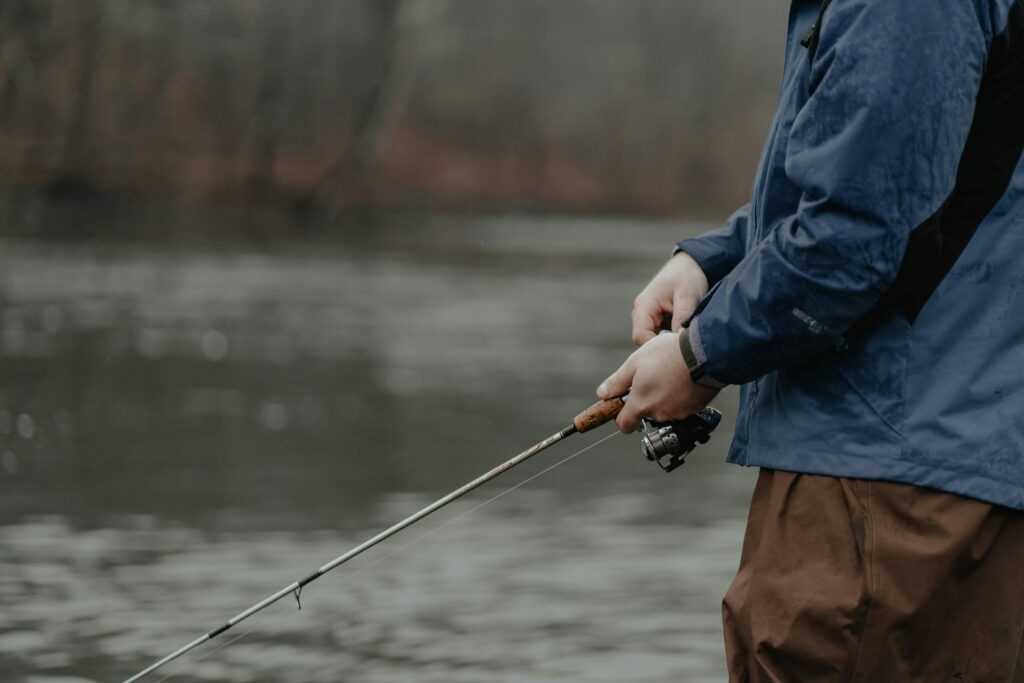
Before you can find fish, you need to understand what the water is telling you. The most successful anglers don’t rely only on their rods and reels they rely on reading the water first. That means knowing how structure, current, and fish instincts shape where fish are likely to be.
Start with the Basics
Understanding how water works isn’t complicated, but it does require observation. Focus on these three foundations:
Structure: Look for natural or man made features that break up the flow of water rocks, logs, drop offs, docks, or submerged trees. These give fish places to hide or rest.
Flow: Current plays a major role in where fish hold position, especially in rivers. Fish use calmer areas (behind rocks or in eddies) to conserve energy while staying close to feeding lanes.
Fish Behavior: Most fish are opportunistic feeders and conserve energy. They hold near structure and in slower water, watching for food drifting by.
Identifying Prime Fish Zones
There are three main areas where fish are often found. When you know what to look for, these “prime zones” start to become obvious:
Ambush Points: Where predators can hide and strike like under logs, beside rocks, or in shadow lines. Great for targeting larger, aggressive fish.
Feeding Zones: Areas where current naturally funnels food like seams, riffles into pools, or the inflow of a stream into a lake.
Holding Waters: Spots where fish rest usually slower moving areas with nearby access to food. These include deep pools, slack water behind obstacles, or undercut banks.
Observation Over Equipment
Great gear helps, but seasoned anglers know that your best tool is your eye. Instead of casting blindly, take a moment to study the water:
Watch for subtle changes in surface texture or flow
Notice where insects are collecting or where baitfish dart
Look for bird activity it often signals bait presence and fish feeding below
Pro Tip: Spend the first few minutes at every new spot just watching the water. The clues are there you just need to know where to look.
Remember, reading water isn’t about overcomplicating things. It’s about looking, thinking like a fish, and understanding what the current is doing. It’s simple but not easy. Start observing, and you’ll start catching.
Key Signs Fish Are Nearby
Reading water starts at the surface. Watch for rises those subtle dimples on calm water that signal feeding fish. Bigger splashes mean bigger action. Some fish, like bass or trout, will bust the surface chasing insects or baitfish. Then there are slicks those glassy patches formed when fish stir up oil or gather under bait schools. They’re easy to miss but tell a sharp story.
Below the surface, it’s all about edges. Current seams where fast and slow water meet act like river highways. Fish hold there to ambush prey without burning energy. Drop offs and submerged rocks or logs? Prime real estate. Predators love to hang just on the deep side, watching what floats by.
And don’t ignore what the water looks like. Clear water makes fish cautious and tight to cover, especially on sunny days. Murky or stained water creates cover and brings fish shallower. A greenish tint can signal healthy algae and active feeding. Bad visibility doesn’t always mean bad fishing it just changes how and where the action happens.
Train your eyes. The patterns are always there. You just have to notice them.
Rivers, Lakes, and Tidal Waters Different Rules
You can’t treat a river like a lake, or a lake like a coastal tide. Different water means different fish behavior and your strategy needs to match.
River Strategies: Seams, Eddies, and Tailouts
In moving water, fish are energy conscious. That’s why you’ll find them hugging current seams those soft boundaries where fast water meets slow. Seams offer food delivery without the workout. Eddies, those calm pockets behind rocks or bends, are prime rest and ambush points. And don’t sleep on tailouts the downstream end of pools where depth shallows out. Big fish sit here, watching food drift downstream, ready to strike before it enters the next chute.
Lake Logic: Points, Shelves, and Weed Edges
Stillwater doesn’t mean inactive water. Fish look for structure and cover. Points extending into the lake act like highways for cruising predators. Shelves those step like drops in depth offer temperature variation and feeding lanes. And then there are weed edges, which are underwater grocery stores. Baitfish hide in them, so gamefish patrol along the perimeter. Don’t hunt the whole lake. Hunt the transitions.
Coastal/Tidal Tips: Water Movement and Submerged Features
Saltwater fish in tidal zones are powered by rhythm. As water moves in and out, bait gets pushed around. Current lines, rips, and funnel zones become feeding corridors. Structure matters too reef edges, submerged jetties, and channels give fish predictability. The trick is understanding how tides expose or cover terrain. If you know where bait bunches up when the tide shifts, you know where your target is going to be.
Know the lay of the water, and you’ll find the fish. It’s not about luck it’s about watching, learning, and adapting.
Learn to Think Like a Fish
Predators don’t just wander aimlessly. They use the water’s layout to trap, corner, and ambush their food. Think submerged boulders, sharp drop offs, weed lines, current seams anywhere smaller fish might pause or pass through. These aren’t just physical hiding spots. They’re strategic choke points. Understanding that turns you from a caster into a hunter.
Oxygen, temperature, and current all play into where predators hang out. Warmer, oxygen rich zones can boost energy levels. Sudden drops in temperature or low oxygen pockets? Fish avoid them. Fast moving current brings in food and oxygen but costs energy to fight so predators sit just off that current in slackwater, watching the conveyor belt roll by.
That’s where presentation matters. If bass are staged behind a rock outcrop, don’t throw a topwater three feet away and hope for the best. Match your bait to the species, behavior, and zone. Sinking jigs or finesse worms for deep holding predators. Reaction strikes near cover with cranks or spinnerbaits. Soft plastics where subtlety wins. Bottom line: study the water, understand what the fish want then give it to them without spooking them.
Build Your Own Mental Map
Reading water isn’t just about spotting fish it’s about understanding the environment well enough to predict where fish are likely to hold, feed, or ambush prey. Elite anglers develop a kind of sixth sense by mentally mapping each piece of water they target.
Use Visual Markers and Landmarks
Your surroundings are full of natural reference points that help you keep track of productive zones.
Trees, rock formations, docks, or bridge pylons can help you recall key locations.
Man made structures like boat ramps or submerged roads often indicate transitions or drop offs.
Observing upstream or upwind markers helps you realign if wind or current drifts your position.
Taking mental (or physical) notes of these markers allows for consistency the next time you fish the area.
Take a Layered Approach
Don’t just cast randomly across the water think of your approach as painting with purpose. Break the area into layers:
Near zone: Start by covering water closest to you. Fish can be surprisingly close to shore, especially in shade or cover.
Mid zone: Work the transitional band between shallow and deep using fan casts to avoid spooking fish.
Far zone: Finish with long casts into deeper or less pressured areas.
This methodical approach minimizes missed opportunities and gives you a clearer picture of where fish may be holding.
Know When to Move On
Some anglers waste hours in dead zones. Avoid that by watching for key signs:
No signs of activity (rising fish, baitfish movement, birds feeding)? Time to go.
You’ve thoroughly covered the area with no feedback? Move upstream, downstream, or change depths.
If you’ve made multiple accurate presentations with no strike and conditions look lifeless, trust your instincts and relocate.
That said, if you see clues or get the occasional strike, give it more time. A bite window may be opening it’s a balancing act.
Knowing when to dig in or call it quits is an underrated skill that separates efficient anglers from frustrated ones.
Level Up with Pro Techniques
Polarized glasses and sonar are game changers, but they’re not magic. Use them to assist your instincts not replace them. Good glasses cut glare and let you see structure beneath the surface. A sonar rig can show you drop offs, bait balls, or fish holding deep. But none of it matters if you don’t know how to interpret the signs or worse, if you rely on screens over your own senses.
Stealth matters more than many anglers realize. Fish can see shadows. They can sense vibrations, erratic movements, or even pressure changes when you wade too hard. Staying quiet, moving slow, and observing before casting gives you an edge. Treat each spot like it could hold your personal best.
Finally, keep a record. Conditions change, but patterns repeat. Water temp, wind direction, cloud cover, moon phase log it all with your catch data. Over time, you’ll find what triggers bites in specific spots and seasons. Want to fish like a pro? Start thinking like a tracker.
Check out these reading water tips for even more expert insights and strategies to master water reading in any scenario.