The Real Cost of Neglecting Your Gear
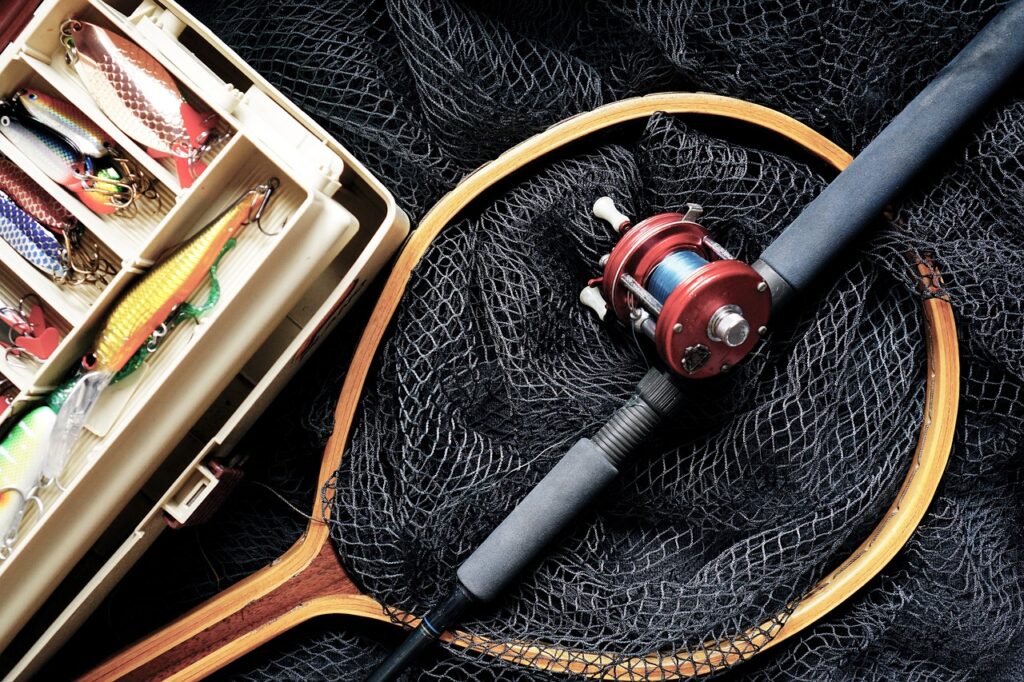
Fishing gear isn’t cheap and treating it like it’s disposable gets expensive fast. Reels seize up. Rods snap where they shouldn’t. Lures rust into useless hunks of metal. Most of these failures don’t come from heavy use; they start with neglect. Saltwater grit, dirt, moisture all of it stacks up over time. Ignore the warning signs, and you’re buying replacements sooner than you think.
Regular maintenance isn’t about being precious with your gear. It’s about prevention. A quick rinse, drying everything before storage, checking line tension these small habits build up to real savings. And they keep your equipment performing when it matters: during that once a season hookup that tests every inch of your setup.
The anglers who stay on top of maintenance aren’t perfectionists they’re practical. They know that paying attention to the little things adds years to their gear, and hours to their time on the water. If you want longevity, it starts with what you do after each trip.
Clean It Like You Mean It
Fish hard, clean harder. Regular cleaning isn’t glamorous, but it saves your gear. Right after a trip especially if you’ve been in saltwater don’t wait. Strip off grime, salt, and gunk before it carves into your equipment.
Start simple. Rinse everything with freshwater. Use low pressure it’s not about blasting, it’s about flushing. Take your reels off the rods and rinse separately. Don’t soak them. Wipe down rods with a damp cloth, paying attention to the guides where salt and debris gather.
Next: terminal tackle. Lures, clips, pliers dump it all in a mild soap water mix. Give them a short soak, then scrub gently with a brush. Rinse and dry each piece before it goes back in the box.
Reels take a bit more care. After the rinse, dry them off and apply a light coat of corrosion inhibitor to external parts nothing fancy, just a quick shot on the moving pieces. Leave the deep internal clean for monthly or seasonal maintenance.
Once a season (or more if you’re heavy into saltwater), break things down. Clean inside the reels. Re lube. Check drag washers. Re wrap grip tape or replace line if needed. Think of it like a tune up not every trip needs one, but it keeps things running smooth.
It’s not complicated. It just takes consistency. Handle your post trip clean like part of the routine, not an afterthought. Your gear and your future trips will thank you for it.
Learn more hands on steps in the full Gear Maintenance Guide.
Smart Storage: No More Gear Graveyards
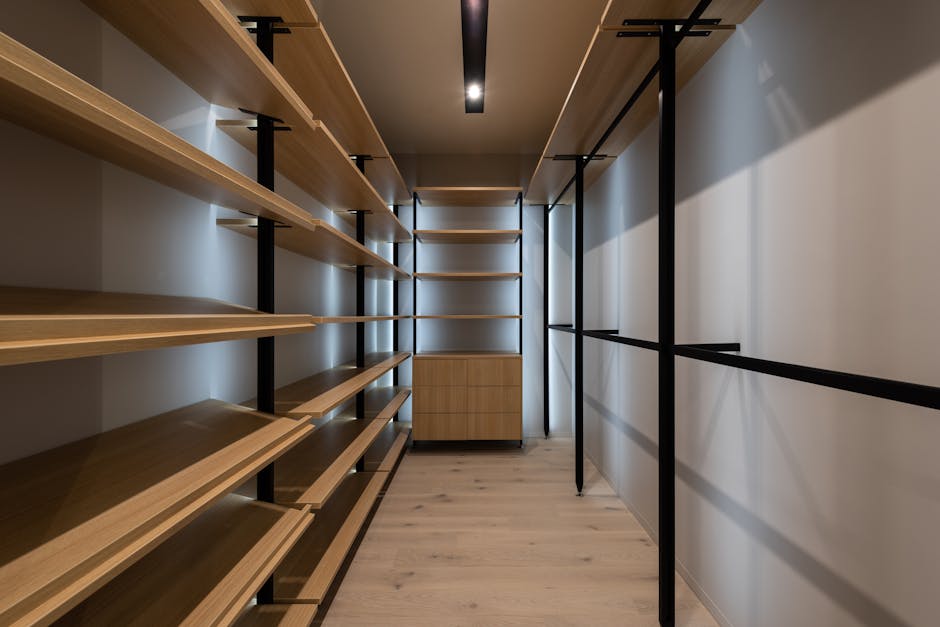
Storing your reels the right way isn’t just about neat shelves it’s about keeping corrosion from sneaking in and wrecking your gear over time. First rule: keep reels dry. After every trip, wipe them down thoroughly and make sure they’re fully dry before storing. If possible, back off the drag to relieve pressure on internal components. And forget tossing them in a bin store reels off the ground, in ventilated spaces, and either in cloth bags or cases to keep dust off while letting air circulate.
When organizing your gear, think function over form. Group rods, reels, and tackle by use frequency and target species. Keep your go to gear accessible, deeper storage for seasonal or specialty setups. Wall mounts, peg boards, and drawer units go a long way toward fighting chaos.
Climate plays a bigger role than most anglers think. High humidity creates a playground for rust. If you live coastal or store gear in basements or sheds, consider moisture absorbers or a dehumidifier. Avoid direct sunlight UV weakens line and plastics. And never stash gear somewhere that freezes solid. Cold temps can crack reels, especially if water’s trapped inside.
Garages, sheds, and boats are common storage spots, but not always ideal. Do: store gear in hard cases or protective tubes. Don’t: leave rods leaning in corners or reels exposed to dust and air. Boats are convenient but only if they’re dry and covered. If you’re stacking gear in a garage, put it on shelves not the cold concrete floor.
Bottom line: treat your gear like it matters, and it’ll stick around for a lot longer.
Repair Don’t Replace
Not every piece of busted gear needs the trash bin. A lot of common issues loose screws, sticky drags, frayed lines are easy to fix with a few tools and ten minutes. That stiff reel? Could be dried grease. Rod tip cracked? There’s a sleeve for that. Start small. The fixes that save the most money are usually the simplest.
There’s a line you shouldn’t cross, though. If your rod’s got structural damage or the reel’s internals are grinding like a garbage disposal, don’t be afraid to call in a pro or replace it outright. Sometimes it’s cheaper and smarter.
A basic tackle repair kit should ride with you. Keep these on hand: precision screwdriver set, reel grease and oil, super glue, rod tip repair kit, electrical tape, and a multi tool. Toss in a few spare guides and line cutters if you’ve got the room.
Rule of thumb: attempt it yourself if it’s cosmetic or surface level. Delegate if gear failure would cost you a trip or risk injury. You’ll get the hang of what’s worth tackling and what’s worth letting go.
For more hands on tips, check out the Gear Maintenance Guide.
Build A Maintenance Routine You’ll Stick With
If it’s not easy, you won’t keep doing it. That’s why having the right tools on hand matters. At the bare minimum: a soft bristle brush, reel oil, lubricant, microfiber cloths, freshwater spray bottle, and a tackle organizer that doesn’t turn into a black hole. Add a small label maker and notebook or go digital with an app to track what’s been cleaned, oiled, repaired, or replaced.
A hard rule: Monthly check ins for gear that gets regular use. Seasonal for everything else. Mark it on your calendar or set up phone reminders. Quick wipes and inspections monthly can prevent bigger issues down the line. Seasonal work can include drag system disassembly, line replacement, thorough gear bag cleanouts, and rust checks.
Also, track your repairs. This isn’t just for obsessives it saves money over time. Know when you replaced parts, how often you’re fixing the same reel, or which lure bags keep bursting open. It’s not just about longevity; tracking helps plan purchases and upgrades better.
In the end, make it routine, like tying knots or checking weather. Maintenance shouldn’t feel like a chore it’s part of being ready. When everything works because you’ve kept it clean and functional, that’s when fishing feels effortless. You’re not just taking care of gear; you’re investing in longer, better days on the water.
Final Word: Take Care of Your Tools
Fishing gear is an investment one that’s only as reliable as the attention you give it. Like any tool, it performs best when respected, maintained, and stored correctly.
Why Maintenance Matters More Than You Think
Ignoring wear and tear might not seem like a big deal until you’re dealing with a seized reel or a broken rod miles from shore. Basic upkeep can prevent costly repairs and save your trip from being cut short.
The true benefits of regular maintenance:
Better performance on every outing
Fewer unexpected failures
Increased longevity of your gear
More confidence and focus while fishing
Make It a Habit, Not a Hassle
Good maintenance doesn’t need to take hours out of your day. What matters most is staying consistent with small routines:
Rinse off salt and dirt after each trip
Dry gear thoroughly before storing
Keep an eye out for damage and address it early
Store items in a cool, dry, and organized space
The Payoff: More Time Doing What You Love
When your gear is taken care of, you can spend less time worrying and more time catching fish. Make maintenance part of your rhythm, and your equipment will always be ready when you are.
Your gear won’t take care of itself but if you do, it’ll reward you with years of reliable performance.