What Artificial Reefs Are (And What They Aren’t)
Artificial reefs often get misbranded as “man made coral,” but that’s oversimplifying things. These structures aren’t trying to replace coral per se they’re built to offer a solid foundation for marine life to rebuild around. Instead of being decorative or symbolic, they’re practical tools engineered with specific goals: habitat creation, biodiversity support, and even shoreline protection.
Materials vary based on the location and purpose. Some reefs are made from large concrete modules shaped to encourage water flow and shelter fish. Others use repurposed structures, like old subway cars, decommissioned ships, or rubble from construction projects. What works isn’t just the material itself it’s the structure’s shape and placement that matter most.
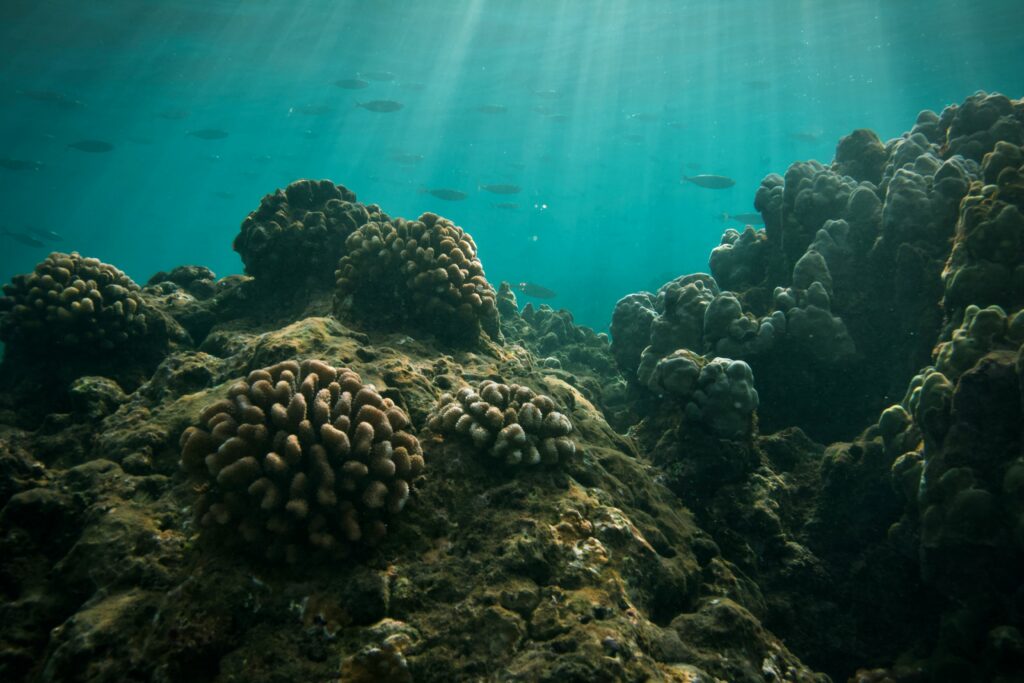
The best artificial reefs mimic natural reef features like ledges, holes, and shaded areas to attract marine species. They’re placed in zones carefully selected based on ocean currents, depth, and proximity to existing habitats. Done right, an artificial reef becomes a hotspot of activity, helping life return to waters where ecosystems have faded.
Why Marine Ecosystems Need This Boost
Natural coral reefs are in rough shape. Climate change is heating up oceans, leading to widespread bleaching. Pollution from coastlines and runoff doesn’t help either. And overfishing? It’s stripped key species and thrown entire ecosystems out of balance. Reefs that once teemed with life are turning into underwater deserts.
That’s where artificial reefs come in. Built from materials like concrete, metal, or repurposed ships, these structures are dropped into strategic underwater locations. Over time, marine life takes over. Fish hide in crevices, coral polyps cling to surfaces, and the structure becomes a new hub for biodiversity. Think of them as emergency housing for displaced ocean life.
Early data is promising. In areas where artificial reefs have been in place for a few years, fish populations are not only returning they’re thriving. Species that had disappeared from those waters are showing up again. These installations aren’t a magic fix, but they’re a solid boost for ecosystems that desperately need it.
The Science Behind the Surge
Artificial reefs aren’t just underwater art projects they’re active ecological experiments. Over the past decade, marine biologists have tracked significant biodiversity increases around artificial reef structures. In zones where natural coral had declined, the installation of man made reefs led to measurable rebounds in fish species variety, invertebrate populations, and even apex predators like barracuda and sharks. The structures provide cover, feeding opportunities, and breeding spaces in areas that were otherwise barren.
Species colonization doesn’t happen overnight. First come algae and filter feeders like barnacles and tunicates, then small invertebrates, followed by larger fish. Over time, different layers of the food chain fill in, creating a stable community. What’s remarkable is how these systems often begin to mimic natural reefs in structure and function within just a few years though the timeline depends heavily on current flow, material type, and proximity to existing marine life.
Coral integration is slower but promising. Some reefs are seeded with coral fragments; others rely on natural settlement. Either way, success depends on water quality and the presence of grazers like parrotfish, which help regulate algae and make space for corals to grow. Predator prey dynamics quickly return, too once prey species establish routines, larger predators show up to feed. That balance is a key indicator that the habitat is being used naturally, not just passively occupied.
Human Benefits Tied to Reef Recovery
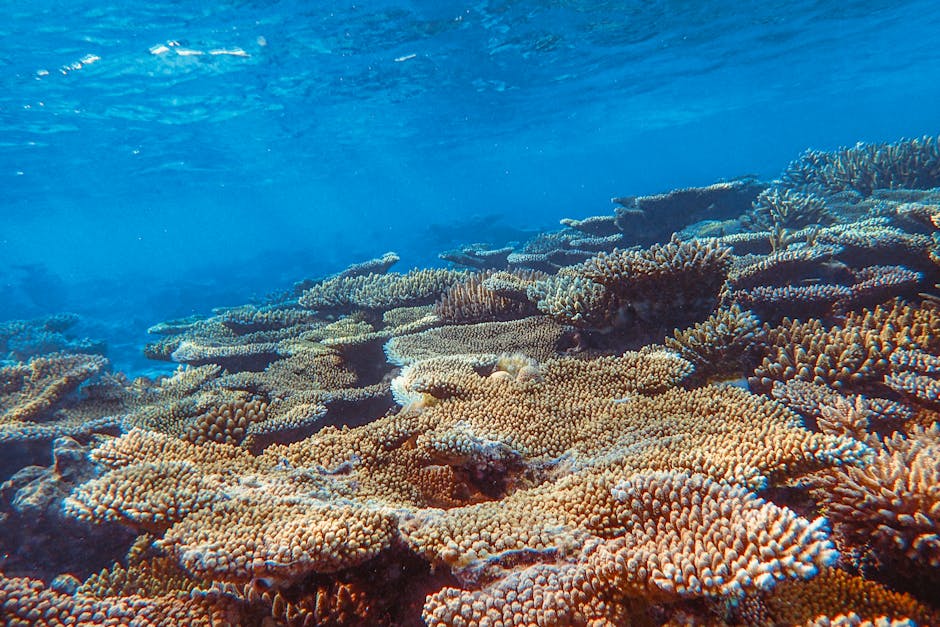
Artificial reefs aren’t just good news for marine life. They’re paying off for humans too and fast. For coastal communities, these structures are turning into reliable fishing grounds. With more fish taking shelter and reproducing around artificial reefs, local fishers are seeing better yields without traveling farther out or exhausting natural populations. It’s not just more fish it’s smarter, more sustainable catch.
Then there’s tourism. Divers are looking for visually interesting spots teeming with life, and artificial reefs deliver. Underwater photographers, snorkelers, and casual explorers are showing up where new installations appear, giving local dive shops and tour operators a bump. It’s nature, filtered through human design, and it’s selling.
The bigger picture? These reefs help spread out the pressure on overworked natural habitats. They support a more balanced marine economy and back efforts toward a sustainable fishing industry. This isn’t just feel good science. It’s practical progress, and coastal economies are noticing.
Challenges That Still Exist
Artificial reefs offer major ecological and human benefits but only when they’re planned and implemented carefully. Without proper strategy, these structures can pose real risks to marine ecosystems.
Poorly Planned Projects Can Backfire
Not every artificial reef is beneficial. When projects are rushed or unregulated, they can end up doing more harm than good.
Reefs placed in the wrong locations may disrupt existing habitats
Structures that don’t mimic natural reef designs can fail to attract marine life
Lack of scientific input can lead to wasted resources and ecological setbacks
Toxic Materials Are a Serious Concern
While many artificial reefs are built with inert materials like concrete or cleaned vessels, using unsuitable materials can introduce toxins into the marine environment.
Tires and metals not properly treated can leach harmful chemicals
Contaminants can damage local food chains and water quality
Long term consequences often go unnoticed until it’s too late
Oversight and Monitoring Are Non Negotiable
To be effective, artificial reef projects require consistent oversight from planning through post installation.
Thorough permitting ensures environmental safety and legal compliance
Ongoing monitoring tracks ecological impact and success over time
Collaboration between marine scientists, local authorities, and fishers adds accountability and local insight
Effective artificial reef deployment is more than just placing objects underwater it’s a complex process that demands science, regulation, and responsibility. Without these, even well meaning efforts can turn unsustainable.
How Artificial Reefs Connect to Sustainable Ocean Practices
Artificial reefs aren’t a cure all and pretending they are does more harm than good. They’re one part of a much larger equation. Think of them as scaffolding: helpful if the rest of the building is sound. Without broader support from sustainable fishing, marine protection zones, and climate action, artificial reefs can only go so far.
That’s why collaboration matters. The most successful reef projects are born from joint efforts scientists studying habitats, governments providing funding and regulation, and local fishers offering insight from generations of ocean knowledge. It’s boots on the deck realism meeting long term strategy.
Used right, these reefs reinforce the shift toward environmentally responsible fishing. Fish populations around well placed reefs are rebounding. That means more stable harvests for local fishers and less pressure on collapsed natural reefs. It’s not just about growing more coral it’s about building back smarter. For more on how the fishing industry is evolving, take a look at this piece on the sustainable fishing industry.
Looking Ahead
Artificial reefs are getting smarter. Thanks to 3D printing and biodegradable composite materials, today’s reef structures mimic the complexity of natural reefs better than ever before. These aren’t just piles of concrete they’re precision designed habitats, tailored to support a wider range of marine species. Some are built to collapse and reshape with currents, others are seeded with lab grown coral to jumpstart growth.
But the future of reef recovery isn’t about isolated projects it’s about connection. Conservation teams are now linking artificial reefs into broader marine protection strategies. That means placing them in biologically strategic areas, integrating them with no fishing zones and coral nurseries, and designing them to serve as bridges between fragmented habitats. In ecosystems stressed by climate change, connectivity is survival.
Restoring balance in ocean life won’t happen by accident. It takes engineering, science, and the will to act before the damage is irreversible. Artificial reefs aren’t a fix all, but they’re a clear expression of what’s possible when human innovation backs off just enough to let nature rebound.