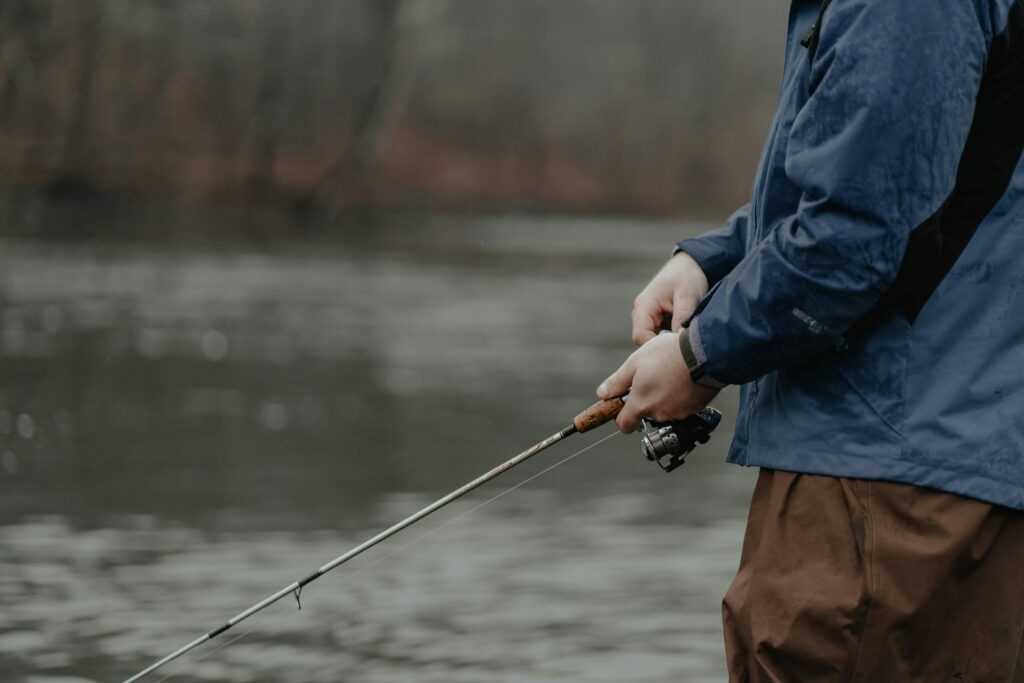
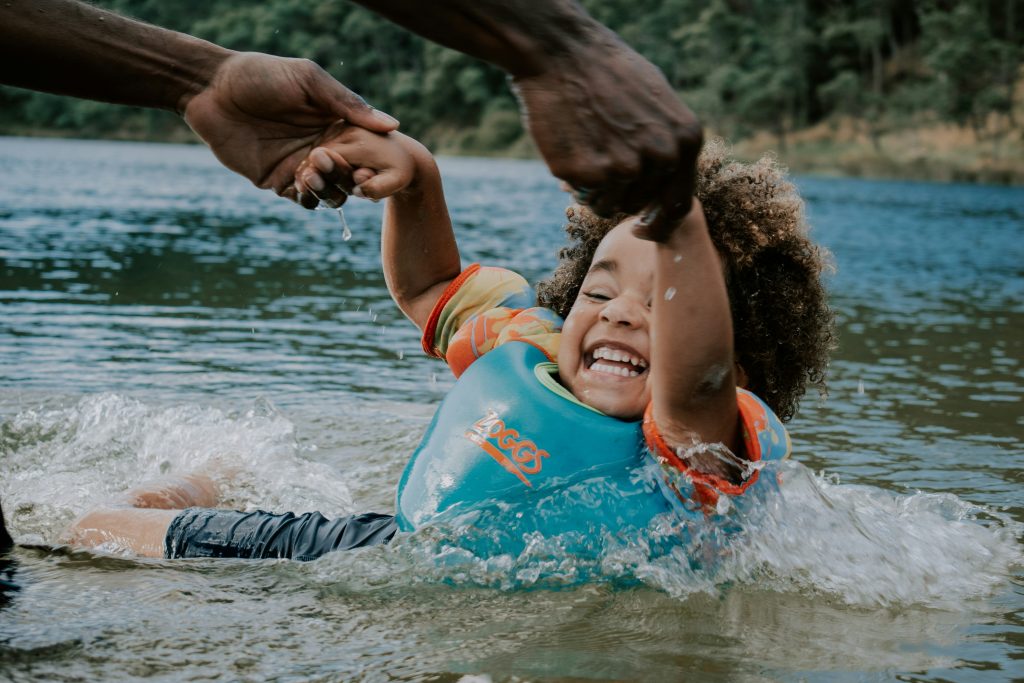
For families who love fishing, water is more than just a weekend destination—it’s part of everyday life. Whether it’s casting a line from a riverbank, spending early mornings on a lake, or planning family fishing trips during vacations, kids in fishing families grow up around water. While this creates wonderful bonding moments and lifelong memories, it also makes early water skill development essential.
Teaching children how to swim confidently and safely is not just a recreational activity for fishing families—it’s a foundational life skill. Building strong water skills early can help kids enjoy fishing trips more, feel comfortable around lakes and boats, and develop a healthy respect for aquatic environments.
Why Swimming Skills Matter for Fishing Families
Fishing often happens near unpredictable bodies of water—lakes, rivers, streams, and sometimes the open sea. Unlike swimming pools, these environments can include currents, uneven ground, slippery rocks, and sudden depth changes. For children, understanding how to move safely in water can make a big difference in both confidence and safety.
Swimming skills also help kids stay calm if they accidentally fall into the water. Panic is often the biggest risk factor, and early exposure to swimming teaches children how to float, breathe properly, and move toward safety. Even basic water comfort can reduce fear and improve awareness.
Start with Water Familiarity, Not Fear
The first step in building water skills is comfort. Many children feel nervous around large bodies of water, especially when they see waves, boats, or fishing equipment. Parents can start by introducing water in a playful and relaxed way.
Simple activities like splashing in shallow areas, walking along the water’s edge, or dipping feet into a calm lake can help kids associate water with fun rather than fear. Avoid rushing the process—every child adapts at their own pace.
Using positive reinforcement instead of pressure helps build trust. When kids feel safe and supported, they’re more likely to explore and learn.
Focus on Core Swimming Basics
For fishing families, swimming doesn’t have to mean competitive strokes or long laps. The focus should be on practical, real-world skills that children can use near natural water environments.
Key skills to prioritize include:
- Floating on the back to conserve energy
- Treading water for short periods
- Controlled breathing to stay calm
- Simple forward movement toward safety
These abilities help children handle unexpected situations, such as slipping from a dock or stepping into deeper water than expected.
Structured lessons from a local swim school can be especially helpful for teaching these fundamentals in a safe and guided environment, particularly for parents who are not confident swimmers themselves.
Teaching Water Awareness Alongside Swimming
Swimming skills are only one part of water safety. Fishing families can use real-life experiences to teach children how water behaves.
Explain concepts like:
- Why currents pull stronger near river bends
- How wind affects water movement on lakes
- Why it’s unsafe to run near wet rocks or docks
When kids understand why certain rules exist, they’re more likely to follow them. Turning fishing trips into learning moments helps children become more observant and responsible around water.
Make Swimming a Year-Round Habit
Consistency plays a big role in building strong water skills. Swimming once or twice during summer isn’t enough for long-term confidence. Regular practice—even in indoor pools during colder months—helps kids retain what they’ve learned.
Families who fish year-round often find it useful to combine swimming practice with seasonal activities. This keeps water skills sharp and ensures kids feel prepared whenever fishing opportunities arise.
Enrolling children in ongoing programs at a local swim school can provide that consistency while allowing skills to progress gradually over time without overwhelming them.
Encourage Confidence, Not Overconfidence
One common mistake is assuming that kids who can swim are automatically safe around water. Fishing families should emphasize that swimming skills don’t replace supervision or safety rules.
Teach children:
- Never to enter water without permission
- Always wear life jackets when boating
- Stay within designated safe areas
Confidence should come from preparation, not risk-taking. Encouraging kids to respect water rather than challenge it builds maturity and awareness.
Lead by Example as Parents
Children learn a lot by observing their parents. When kids see adults wearing life jackets, checking weather conditions, and practicing safe behavior around water, they’re more likely to do the same.
Parents who actively participate in swimming or water safety activities also send a powerful message: water skills are important for everyone, not just kids. Even casual swimming alongside children can reinforce learning and create positive family experiences.
Balancing Fun and Safety on Fishing Trips
Fishing trips don’t need to feel restrictive just because safety is a priority. In fact, kids who feel secure in and around water often enjoy these outings even more. Swimming skills allow children to relax, explore responsibly, and focus on the joy of being outdoors.
Adding short swimming sessions to fishing days—under supervision—can help kids associate water skills with family fun. This balance makes learning feel natural rather than forced.
Building Lifelong Water Confidence
For fishing families, swimming is more than a seasonal activity—it’s a lifelong skill that supports outdoor traditions and family adventures. Teaching kids to swim early helps them grow into confident, capable individuals who can enjoy water environments safely and responsibly.
By starting young, focusing on practical skills, reinforcing water awareness, and maintaining consistency, families can ensure their children are prepared for every fishing trip ahead. These early lessons don’t just protect kids in the moment—they build confidence that lasts well into adulthood.
In the end, strong water skills allow fishing families to focus on what truly matters: spending quality time together, sharing traditions, and creating memories that flow just as naturally as the water around them.