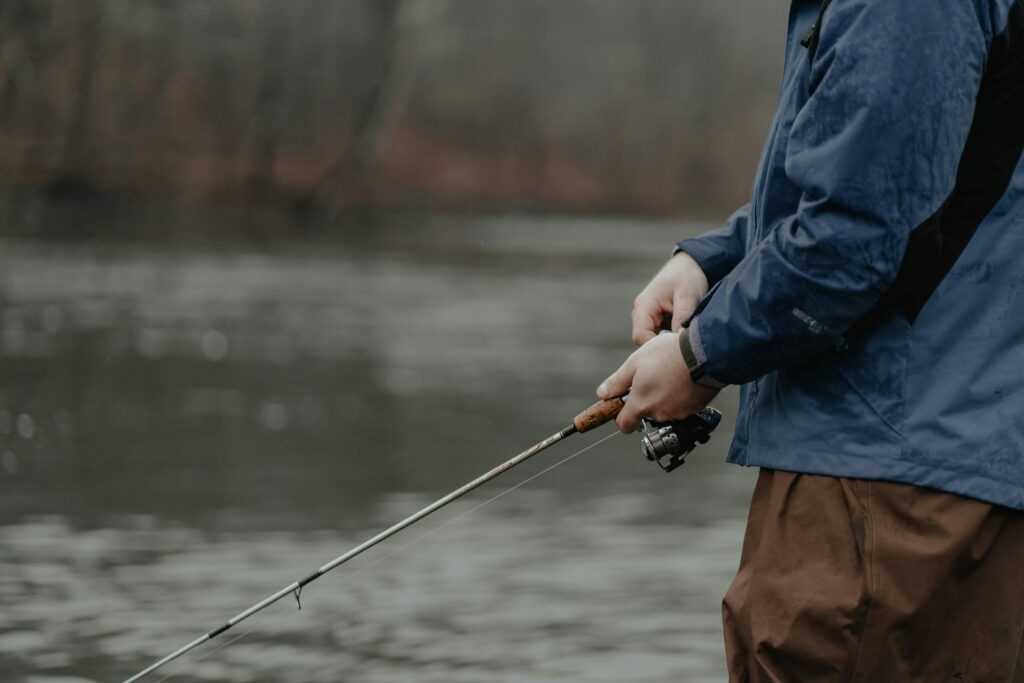
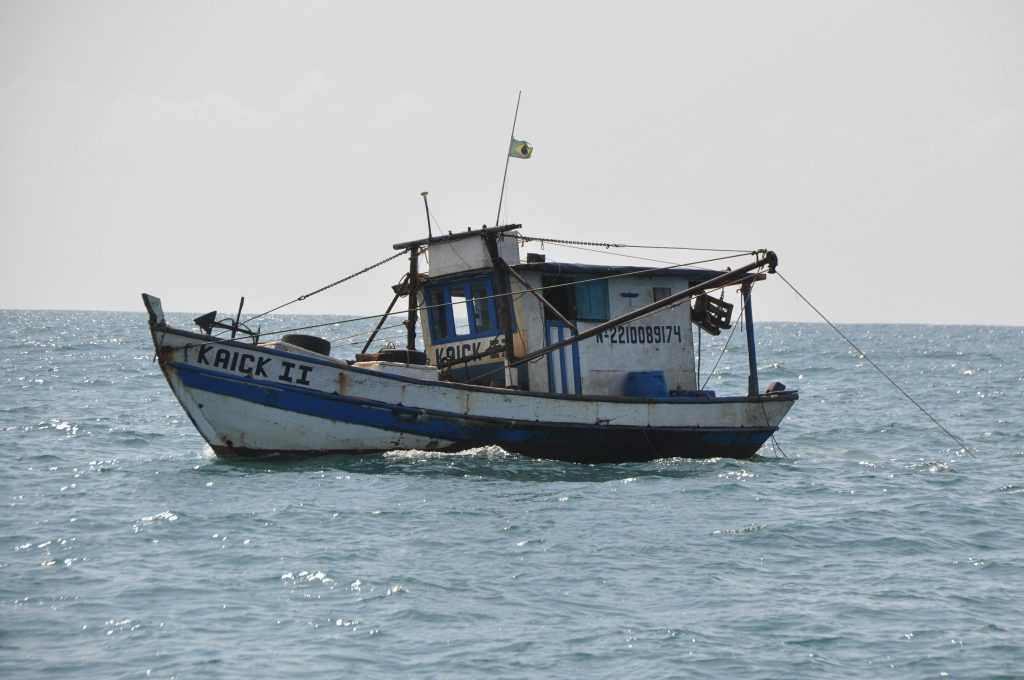
Fishing is often seen as a peaceful escape—early mornings, calm waters, and the thrill of a good catch. Whether you’re casting a line from a quiet riverbank, a boat in open water, or a crowded pier, angling is a rewarding outdoor activity enjoyed by millions. But while fishing feels relaxing, it also comes with real risks that many anglers underestimate. From sudden medical emergencies to accidental injuries, situations can change quickly on the water. That’s why knowing CPR isn’t just a bonus skill—it’s a vital safety tool every angler should have.
The Reality of Emergencies While Fishing
Fishing environments are unpredictable. Slippery rocks, sharp hooks, unstable boats, changing weather, and long hours under the sun can all increase the chances of accidents. Medical emergencies such as cardiac arrest, drowning, heat exhaustion, allergic reactions, or severe bleeding can happen without warning. Often, fishing spots are remote, far from immediate medical help, making the first few minutes after an incident critically important.
In many cases, the person best positioned to help is a fellow angler. Knowing how to respond calmly and correctly during those moments can mean the difference between life and death.
Cardiac Emergencies Don’t Take a Day Off
Heart-related emergencies can occur anywhere—even during activities that don’t feel physically intense. Fishing trips often involve early mornings, physical exertion, dehydration, or stress from travel, all of which can contribute to cardiac events, especially for older anglers.
If someone collapses and stops breathing or their heart stops, immediate action is essential. CPR helps maintain blood flow to the brain and vital organs until professional medical help arrives. On the water, where emergency services may be delayed, early intervention becomes even more crucial.
Drowning Risks Are Higher Than You Think
Even experienced swimmers can face drowning risks while fishing. A slip from a boat, losing balance on wet rocks, or getting tangled in fishing gear can all lead to sudden immersion. Cold water shock, strong currents, or panic can quickly make the situation worse.
Knowing CPR equips anglers to respond if someone is pulled from the water unconscious or not breathing. Quick and confident action can significantly improve survival chances, especially in near-drowning cases.
Fishing Hooks, Knives, and Injuries
Angling gear includes sharp hooks, knives, and tools that can cause serious injuries. Deep cuts or puncture wounds may result in heavy bleeding. While CPR focuses on cardiac and breathing emergencies, learning it often goes hand in hand with basic first-aid training. This broader knowledge helps anglers manage bleeding, shock, and unconsciousness until help arrives.
Remote Locations Mean You Are the First Responder
Many of the best fishing spots are far from towns, hospitals, or even reliable phone signals. In such situations, emergency response times can be long. When professional help is delayed, the responsibility falls on those present at the scene.
Being trained in CPR prepares anglers to act rather than panic. Instead of feeling helpless, you become someone who can stabilize a situation and potentially save a life.
Protecting Friends, Family, and Fellow Anglers
Fishing is often a shared experience—family trips, outings with friends, or community events. Children, elderly relatives, or beginners may join these trips, increasing the need for safety awareness. Knowing CPR allows you to look out not just for yourself, but for everyone around you.
Even when fishing alone, you may encounter other anglers in distress. Stepping in with confidence during an emergency builds a safer outdoor community and reflects responsible angling practices.
Confidence and Calm in Crisis Situations
One of the biggest benefits of CPR knowledge is confidence. Emergencies are stressful, and fear can cause people to freeze or make poor decisions. CPR training teaches you how to assess a situation, call for help, and take structured action.
This calm, step-by-step approach is especially valuable on the water, where conditions may already feel overwhelming. Confidence can prevent small incidents from becoming major tragedies.
CPR as Part of Responsible Outdoor Ethics
Modern angling isn’t just about skill and technique—it’s about responsibility. Just as anglers learn about conservation, fishing regulations, and environmental protection, safety skills should be part of the same mindset.
Choosing to earn a CPR certification shows a commitment to preparedness and care for others. It’s a small investment of time that aligns perfectly with the values of respect and responsibility that outdoor enthusiasts strive to uphold.
Easy Access to Training Makes It Worthwhile
Today, CPR training is more accessible than ever. Courses are available online, in-person, and in blended formats to fit busy schedules. Many programs are designed for everyday people, not just healthcare professionals, making them practical and easy to understand.
Refreshing your skills every few years ensures you stay updated with current guidelines and best practices, so you’re always ready if the unexpected happens.
Safety Is Part of the Catch
Fishing will always involve an element of unpredictability—that’s part of its charm. But being unprepared for emergencies doesn’t have to be part of the experience. Knowing CPR transforms you from a passive bystander into an active protector, capable of making a real difference when it matters most.
Whether you fish from shore, boat, lake, or sea, CPR knowledge is a powerful tool that travels with you everywhere. In the quiet moments between bites and the excitement of a good catch, remember that true angling skill includes being ready to protect life—your own and others’—on the water.