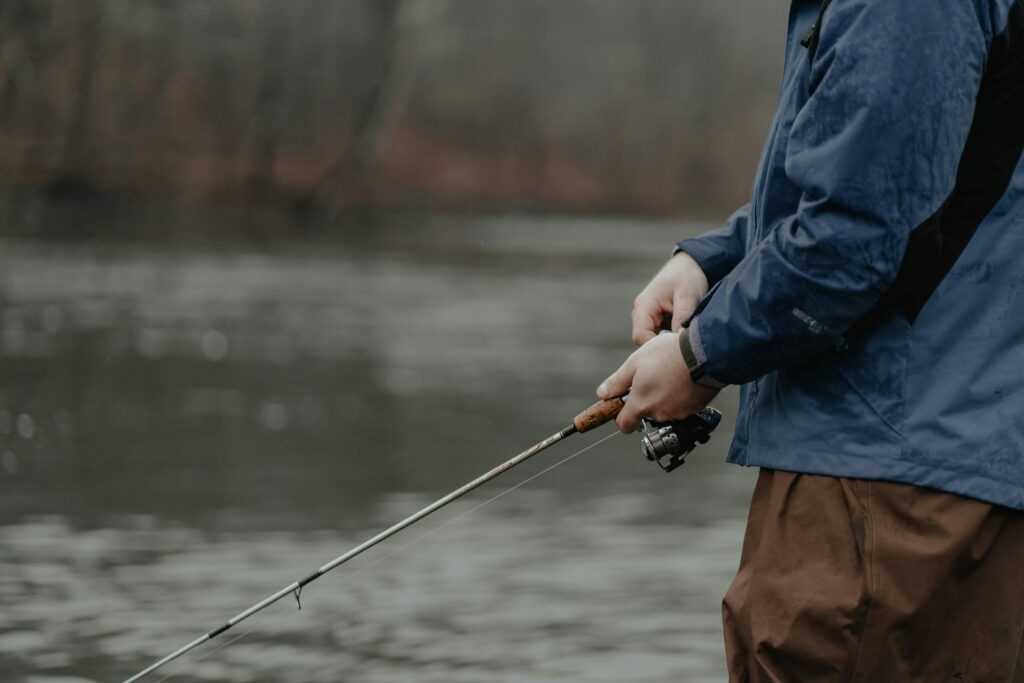
Fishing is often seen as a calm, slow-paced activity—but anyone who spends serious time on the water knows the truth. Long hours standing on a boat, navigating uneven shorelines, battling strong currents, and reeling in powerful fish demand far more than patience. Strength, balance, endurance, coordination, and mental focus all play a huge role in becoming a better angler.
That’s why many experienced anglers turn to other outdoor sports to sharpen the physical and mental skills that directly translate to better performance on the water. For active adults in California—where coastlines, lakes, rivers, and trails are everywhere—there’s no shortage of outdoor sports that naturally complement fishing.
Below are some of the best outdoor activities that help build the core skills every serious angler needs.
-
Hiking and Trail Walking
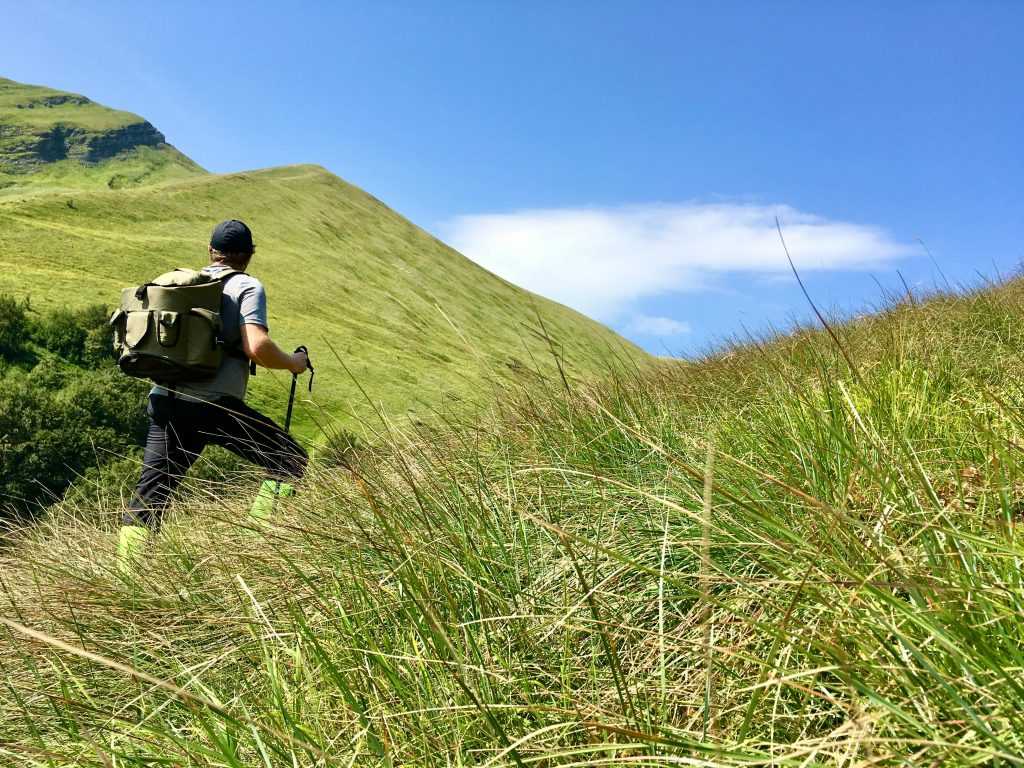
Hiking is one of the most underrated training tools for anglers. Whether you fish from rocky shorelines, riverbanks, or remote coastal spots, reaching the perfect fishing location often involves long walks over uneven terrain.
Hiking improves:
- Leg strength and endurance for standing long hours
- Balance on unstable ground
- Cardiovascular stamina for extended outdoor trips
California’s diverse landscapes—from coastal cliffs to mountain trails—make hiking a natural fit for anglers who want to stay conditioned without stepping into a gym.
-
Kayaking and Paddle Sports
Kayaking builds skills that are almost directly transferable to fishing, especially for those who fish from boats or kayaks themselves. Managing a paddle, adjusting position, and maintaining control in moving water strengthens both upper body and core muscles.
Key benefits include:
- Improved shoulder and arm strength for casting and reeling
- Core stability for balance on boats
- Better understanding of water movement and currents
Many anglers find that time spent paddling improves their confidence and control when fishing in lakes, bays, or coastal waters.
-
Swimming for Endurance and Safety
While fishing isn’t a swimming sport, being comfortable in the water adds an important layer of confidence and safety. Swimming enhances full-body endurance and lung capacity, which is valuable during long fishing sessions under the sun.
Swimming also helps with:
- Shoulder mobility
- Overall stamina
- Water awareness in unpredictable conditions
For anglers who fish offshore or from boats, swimming is less about speed and more about preparedness and physical resilience.
-
Rock Scrambling and Light Climbing
Many fishing spots aren’t easily accessible. Rocky coastlines, jetties, and riverbanks often require careful footing and controlled movement. Light climbing or rock scrambling builds functional strength and improves grip.
This kind of activity develops:
- Hand and forearm strength useful for rod control
- Balance on uneven surfaces
- Mental focus and problem-solving
These skills are especially valuable for anglers who explore less crowded, more challenging fishing locations.
-
Cycling for Stamina and Leg Strength
Cycling is an excellent low-impact way to build endurance without overloading joints. For anglers who spend entire days fishing, leg strength and circulation play a major role in preventing fatigue.
Cycling supports:
- Strong legs for stability while standing
- Improved cardiovascular health
- Better energy management during long outdoor days
In many California coastal towns, cycling also doubles as a convenient way to reach fishing spots.
-
Balance-Based Sports
Balance is one of the most overlooked aspects of fishing performance. Standing on a boat, adjusting weight during casting, or navigating slippery rocks requires constant micro-adjustments.
Activities that emphasize balance—such as paddle boarding, trail running, or even skateboarding help train the body to stay stable while in motion. These sports develop coordination and quick reflexes, both of which come into play when reacting to sudden bites or changing water conditions.
-
Outdoor Yoga and Mobility Training
Flexibility and controlled movement are critical for anglers who cast repeatedly or spend hours holding equipment. Outdoor yoga or mobility-focused exercises improve posture and reduce strain on shoulders, lower back, and wrists.
Benefits include:
- Reduced risk of injury
- Better casting mechanics
- Improved breathing and focus
Practicing outdoors also strengthens the mind-body connection that fishing naturally demands.
-
Archery and Precision-Based Sports
Fishing requires controlled motion, steady hands, and mental patience—qualities also found in precision sports. Activities that demand focus under pressure help anglers improve concentration during slow fishing periods or technical situations.
These sports train:
- Hand-eye coordination
- Calm decision-making
- Mental discipline
The ability to stay composed and precise often separates casual anglers from truly skilled ones.
Why Cross-Training Matters for Anglers
Fishing may not look physically demanding from the outside, but serious anglers know the toll it takes over time. Cross-training through outdoor sports keeps the body strong, balanced, and injury-resistant while enhancing the very skills fishing relies on.
Instead of viewing fishing as separate from fitness, the smartest anglers treat it as part of an active outdoor lifestyle. The more comfortable you are moving, balancing, and adapting outdoors, the more confident—and successful—you’ll be on the water.
California offers endless opportunities to stay active beyond fishing itself. By exploring outdoor sports that build strength, balance, endurance, and focus, anglers can improve both their physical performance and overall fishing experience.
Fishing isn’t just about the catch—it’s about how well your body and mind handle the environment. And the better prepared you are, the more rewarding every trip becomes.